Valley of the Gods: The Free 'Miniature Monument Valley' Nearby
Twenty-odd minutes past Mexican Hat there is a dirt road most Monument Valley visitors never turn onto. It is free, it is empty, and the buttes look familiar for a reason.
 Written with Daniel Begay, Monument Valley tour guide & Navajo cultural specialist
Short answer
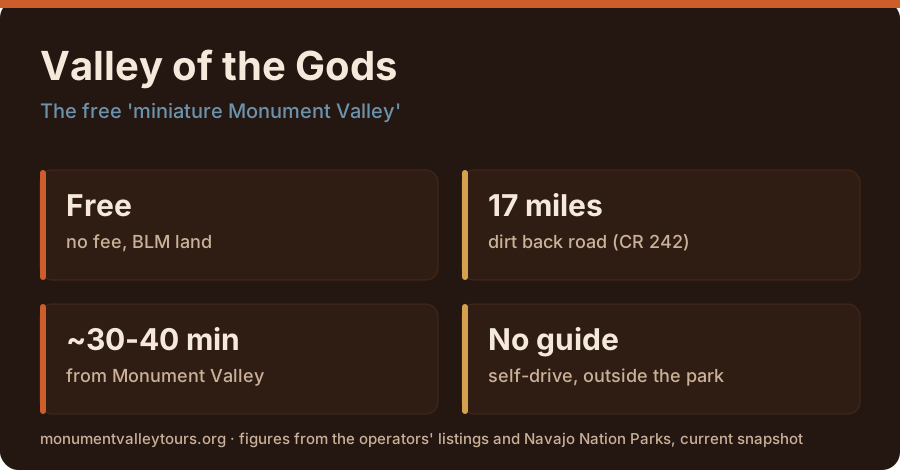
Valley of the Gods is a free BLM scenic sandstone valley in Utah, a 17-mile dirt back road (San Juan County Road 242) near Mexican Hat, roughly a 30 to 40 minute drive from the Monument Valley area, with no entrance fee and no guide.
I drop guests at their Mexican Hat motel some evenings, and about one in ten asks the same thing over the counter: what is that empty dirt road north of town, the one with the buttes. That road is Valley of the Gods, and I always tell them the same two things. Go, it costs nothing and it is gorgeous. Just do not confuse it with the tribal park you came all this way to see.
Booking choice: Hear GPS-triggered stories about Seven Sailors, Castle Butte and Lady in the Bathtub on this specific scenic loop. Explore Valley of the Gods audio drive
At a glance: Allow 2–3 hours; English app audio, offline download, no live guide or transport. No camping or access guarantee; drive only when road and vehicle conditions permit.
What is Valley of the Gods?
Valley of the Gods is a free, BLM-managed scenic valley of red sandstone buttes and pinnacles in San Juan County, Utah, near Mexican Hat and Bluff. A 17-mile graded dirt back road, San Juan County Road 242, threads through it. People call it a miniature Monument Valley because the shapes rhyme, at a smaller scale and with none of the crowds. The land is open public land, not a park.
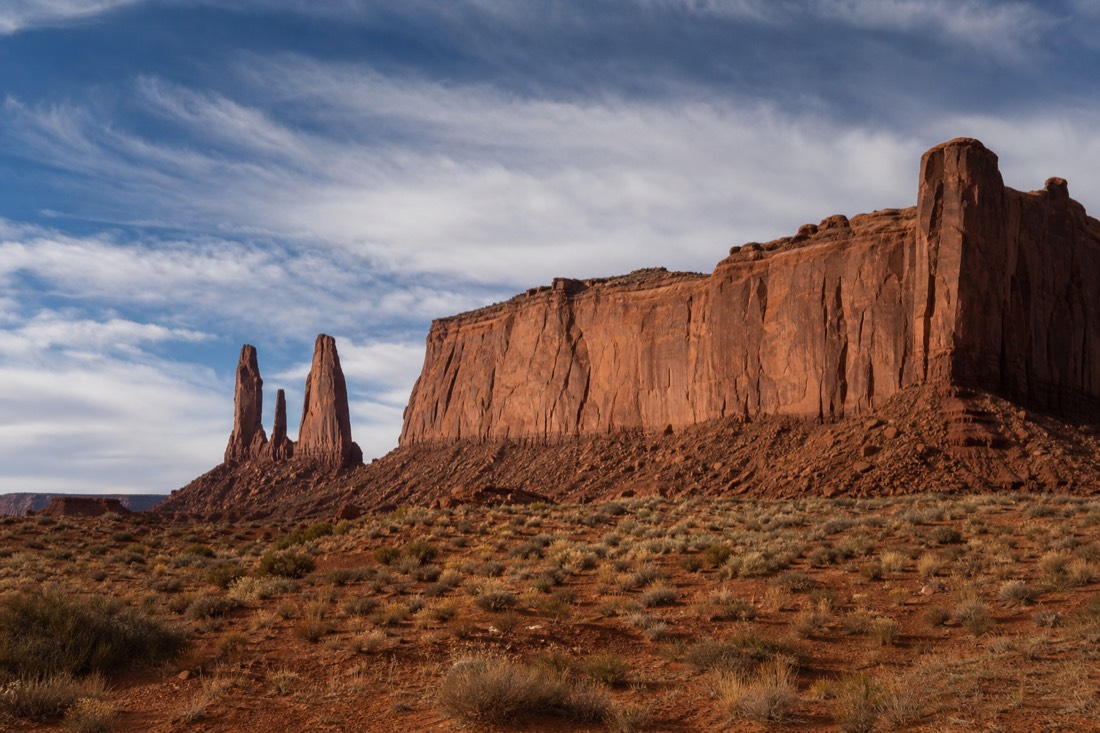
The valley sits on ground managed by the federal Bureau of Land Management, which you can read about on blm.gov. That single fact shapes everything about a visit here. There is no gate, no ticket booth, no ranger checking a pass, and no set hours. You turn off the highway and you are in it. Compared with Monument Valley Navajo Tribal Park down the road, the difference is night and day, which is exactly why I make guests understand it before they drive out.
| Factor | Valley of the Gods | Monument Valley (tribal park) |
|---|---|---|
| Entrance fee | Free, no gate | ~$10 per person per day, paid at the gate |
| Guide | None, self-drive only | Loop road self-drive; backcountry needs a Navajo guide |
| Road | 17-mile graded dirt (CR 242) | 17-mile dirt Valley Drive loop, washboard and sand |
| Crowds | Very light, often empty | Busy, the most-photographed valley in the Southwest |
| Who it suits | Road-trippers wanting quiet and no cost | First-timers wanting the icons and Navajo-led backcountry |
Is Valley of the Gods free, and do you need a guide?
Yes, Valley of the Gods is completely free, with no entrance fee, no gate and no permit for driving through. You do not need a guide and cannot book a Navajo-guided tour here, because it is not on the tribal park and not on Navajo Nation land. It is a self-drive on open BLM land, so the experience and the responsibility are entirely yours. Treat it as a scenic back road, not a tour.
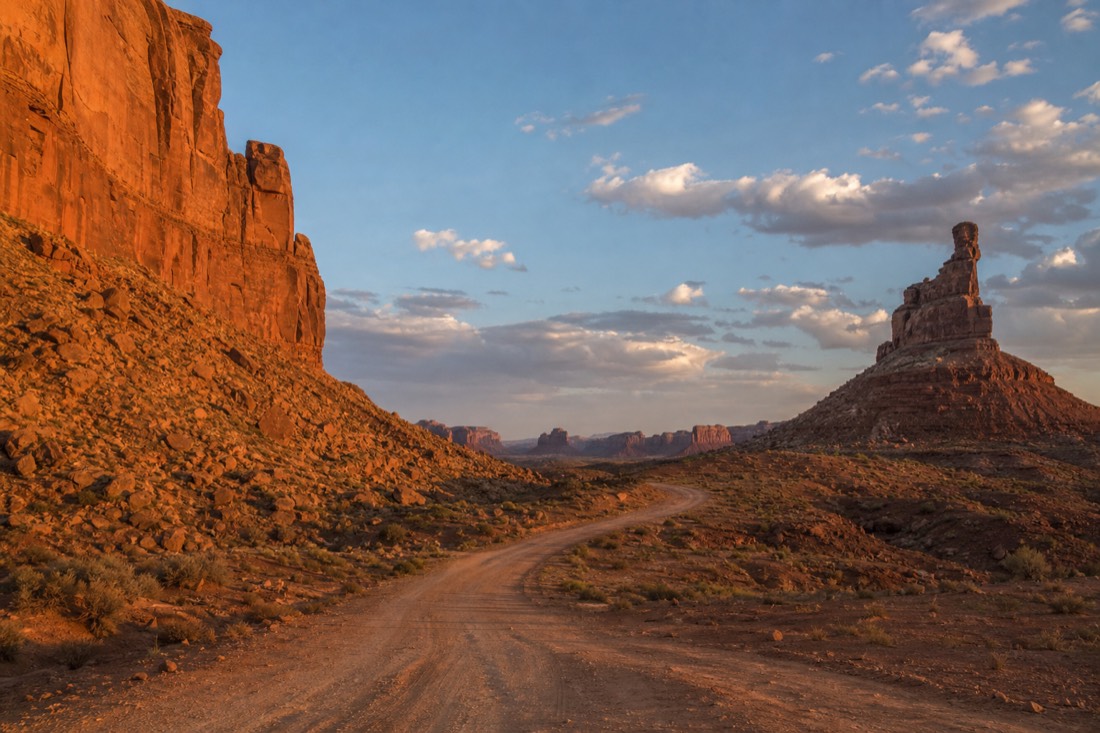
This is the part I underline for every visitor. Valley of the Gods and Monument Valley are two separate places with two separate rules. The famous backcountry inside the tribal park, the arches, Ear of the Wind, the hogans and Mystery Valley, is closed to the public and legally requires a Navajo guide. Valley of the Gods asks nothing of you except that you drive carefully and pack out what you bring. Free dispersed camping is allowed along the road, again with no facilities, no water and no campfires, so anyone staying overnight is fully self-sufficient. Do not arrive expecting a visitor center, a restroom or a snack bar, because there are none.
What rock formations can you see in Valley of the Gods?
Valley of the Gods is dotted with named sandstone formations, including Setting Hen Butte, Seven Sailors, Lady in a Tub, Rooster Butte and Balanced Rock. Each name comes from the shape locals and travelers read into the rock. There is no signage pointing them out, so half the fun is spotting them yourself as the 17-mile road curves past. They shift as your angle changes.
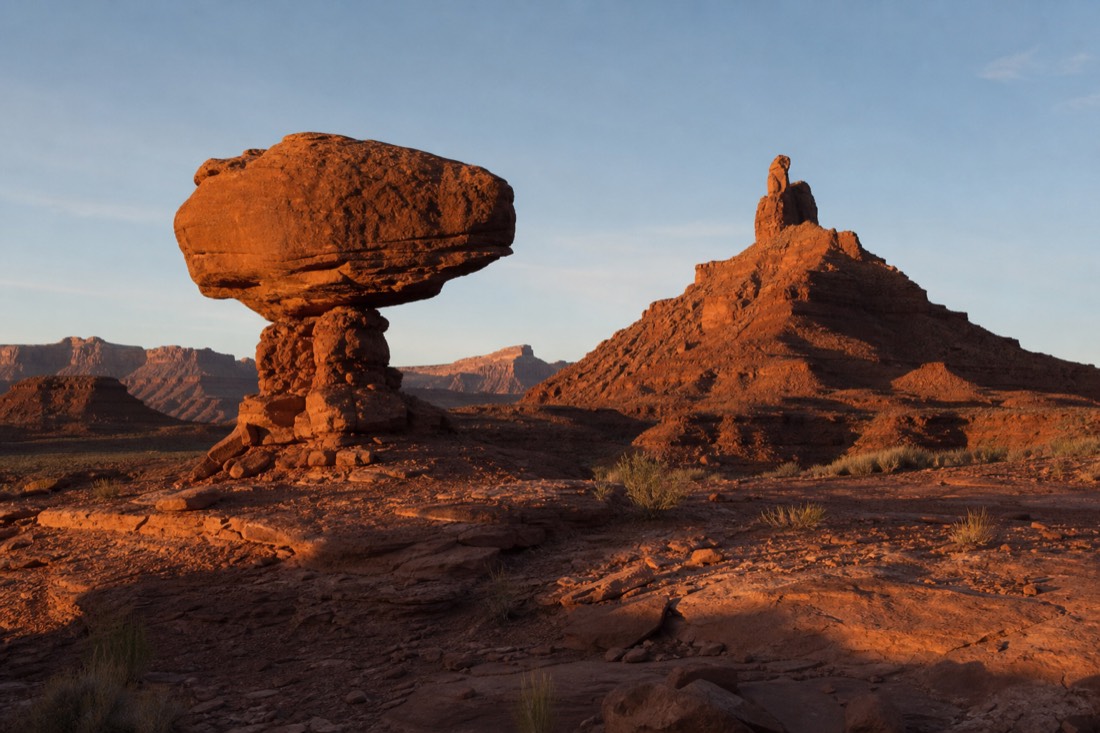
The formation names below are the ones commonly listed for the valley, drawn from the encyclopedic entry at Wikipedia's Valley of the Gods page. Reading the shapes is a slow-driving game, and the light does most of the work. Morning and late afternoon throw the long shadows that make each butte pop, the same golden-hour trick that flatters Monument Valley an easy drive away.
| Formation | What people see in it |
|---|---|
| Setting Hen Butte | A squat, brooding shape like a hen on a nest |
| Seven Sailors | A row of upright spires standing together |
| Lady in a Tub | A rounded figure that reads as a seated form |
| Rooster Butte | A tall, comb-topped profile against the sky |
| Balanced Rock | A boulder perched improbably on a slim pedestal |
Can a normal car drive the Valley of the Gods road?
Usually yes. When it is dry, a standard passenger car can drive the 17-mile Valley of the Gods road, which is graded gravel and clay dirt. After rain the clay turns slick and the shallow washes can run, so high-clearance and, ideally, all-wheel drive are safer then. Give it about an hour of slow driving, more if you stop to shoot. Never enter a flooded wash.
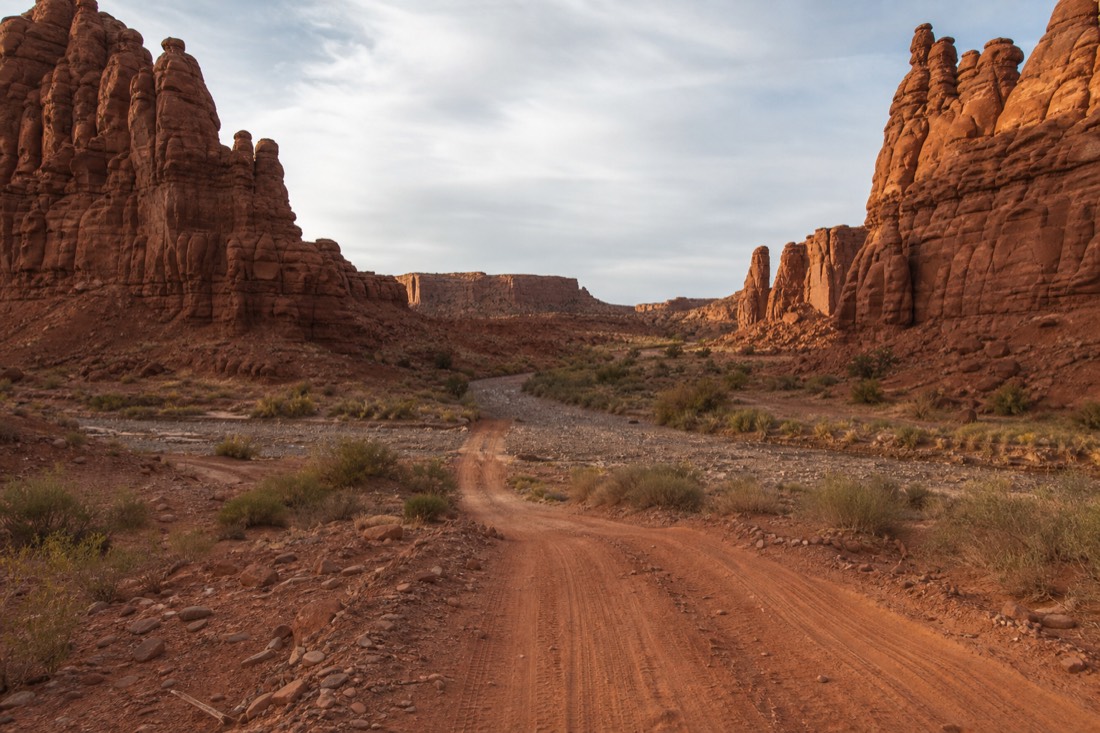
The road runs between US-163 near Mexican Hat and US-261 below the Moki Dugway, so you can drive it in either direction and pick it up as part of a wider Utah loop. Conditions do the deciding here, and they change fast in monsoon season. The table sorts it by what the weather has done recently, because a road that is a gentle cruise on a dry morning can strand a low car after an afternoon storm.
| Conditions | Road surface | Vehicle | Notes |
|---|---|---|---|
| Dry | Firm graded gravel and clay | Standard passenger car fine | Slow for washboard and ruts |
| After rain | Slick clay, muddy dips | High-clearance, AWD safer | Washes can run; wait it out if flooded |
| Winter | Possible mud, ice or snow | High-clearance advised | Cold, remote, little traffic to help |
How is Valley of the Gods different from a Monument Valley tour?
Valley of the Gods is free scenery you drive yourself with no guide and no gate. A Monument Valley tour is a paid, Navajo-led experience inside the tribal park that reaches places the public cannot go alone, the arches, Ear of the Wind, hogans and cultural stops. One is a quiet back road; the other is guided access to sacred land with a local's stories. They complement each other, they do not replace each other.
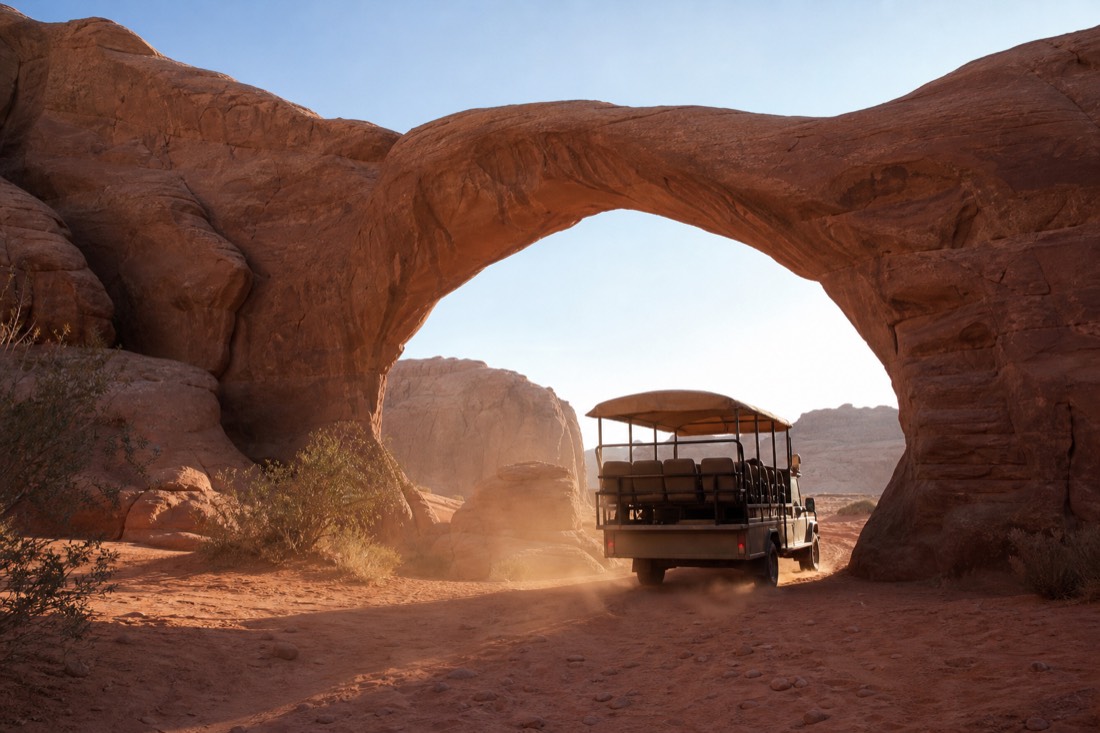
I say this plainly because a few visitors drive Valley of the Gods, love it, and decide they have now "done" Monument Valley. They have not. The reason to take a guided run is not the loop road, which you can drive yourself, but the backcountry that stays off-limits without a Navajo guide and the meaning a local attaches to the ground. That is a different day out, and the two together make a strong Utah-Arizona corner of a trip.
What does a half-day loop of Valley of the Gods, Goosenecks and the Moki Dugway look like?
Chain the three and you get a free half-day: drive the 17-mile Valley of the Gods road, pull over at Goosenecks State Park to look down on the San Juan River's tight meanders, then climb the Moki Dugway's gravel switchbacks up UT-261. In my experience it runs three to four unhurried hours from Mexican Hat. All three cost nothing.
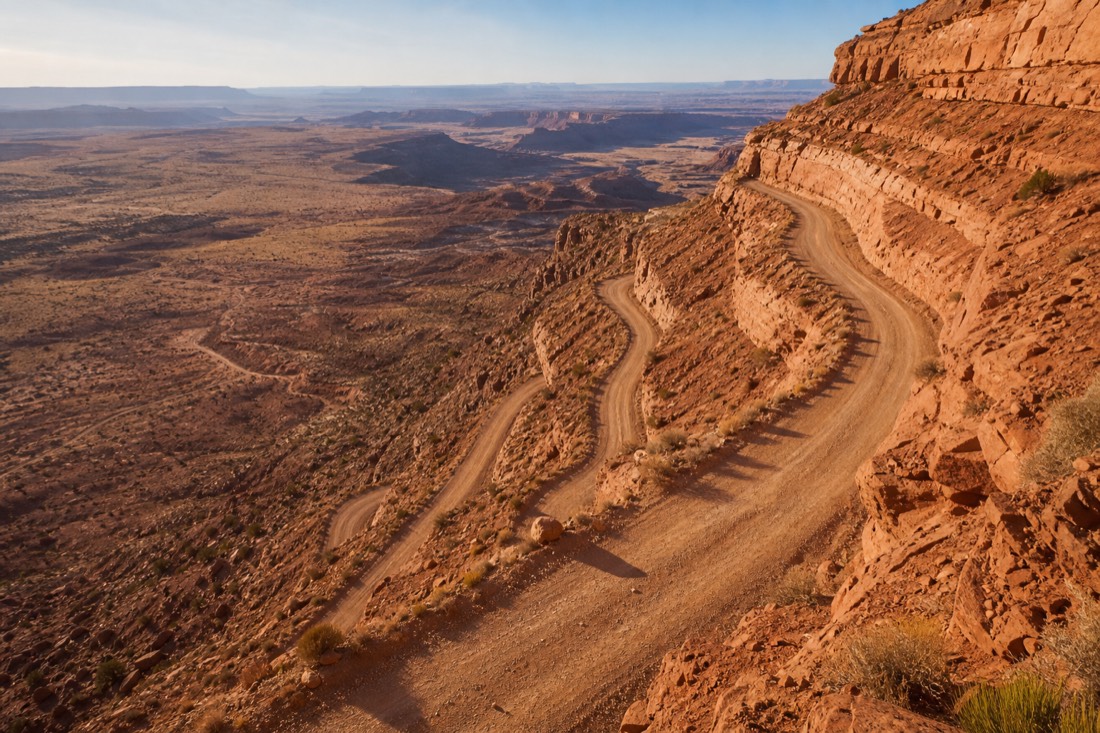
This three-stop corner of southeast Utah is the reason I tell Mexican Hat guests to leave an afternoon free. The three sit within a few miles of each other, all reached off US-163 and UT-261, and none of them charges a cent. Start with the 17-mile Valley of the Gods road, which I covered above, then aim for the two neighbors that most visitors miss.
Goosenecks State Park is a short detour to a single, jaw-dropping overlook. From the rim you look straight down on the San Juan River folded back on itself in tight loops, a textbook set of entrenched meanders cut deep into the rock. You can read the geology on the Goosenecks State Park entry, but standing at the rail does more than any page. Ten minutes and you have seen it, longer if you like a picnic with a view.
The Moki Dugway is the theatrical finish. It is a set of unpaved switchbacks that climbs the face of Cedar Mesa on UT-261, just above the west end of the Valley of the Gods road. Cars take it slowly, the drop-offs are real, and the view back over the whole basin, Valley of the Gods and the distant Monument Valley buttes included, is the best free panorama in the region. Drive it up or down depending on your route.
Running this pocket of the map, I find the three link into a relaxed half day from Mexican Hat and back, or a one-way leg if you are heading north toward Moab. Nothing here needs a guide or a ticket. What it does need is water, a full tank, and respect for the dirt after rain. Pair the free morning with a paid, Navajo-led afternoon inside the tribal park and you have one of the strongest days in the Four Corners. The Southwest road trip guide slots this leg into the bigger loop, and Mexican Hat works as your base for all three.
| Rough time | Where | What you are doing |
|---|---|---|
| Start | Mexican Hat, UT | Fuel and water, then leave US-163 for the back road |
| First hour | Valley of the Gods (CR 242) | Slow-drive the 17-mile dirt road, spotting the named buttes |
| Midday | Goosenecks State Park | Stand at the rim over the San Juan River's tight meanders |
| Early afternoon | Moki Dugway, UT-261 | Climb the gravel switchbacks up onto Cedar Mesa |
| Return | Back to Mexican Hat | Drop down and rejoin the road toward Monument Valley |
Can you camp at Valley of the Gods?
Yes. Valley of the Gods allows free dispersed camping on the BLM land along the road, with no permit, no booking and no fee. What it does not give you is any facility at all: no water, no toilets, no tables, no trash service, and campfires are not allowed. You pack in everything and pack out everything. Full self-sufficiency is the price of the quiet.
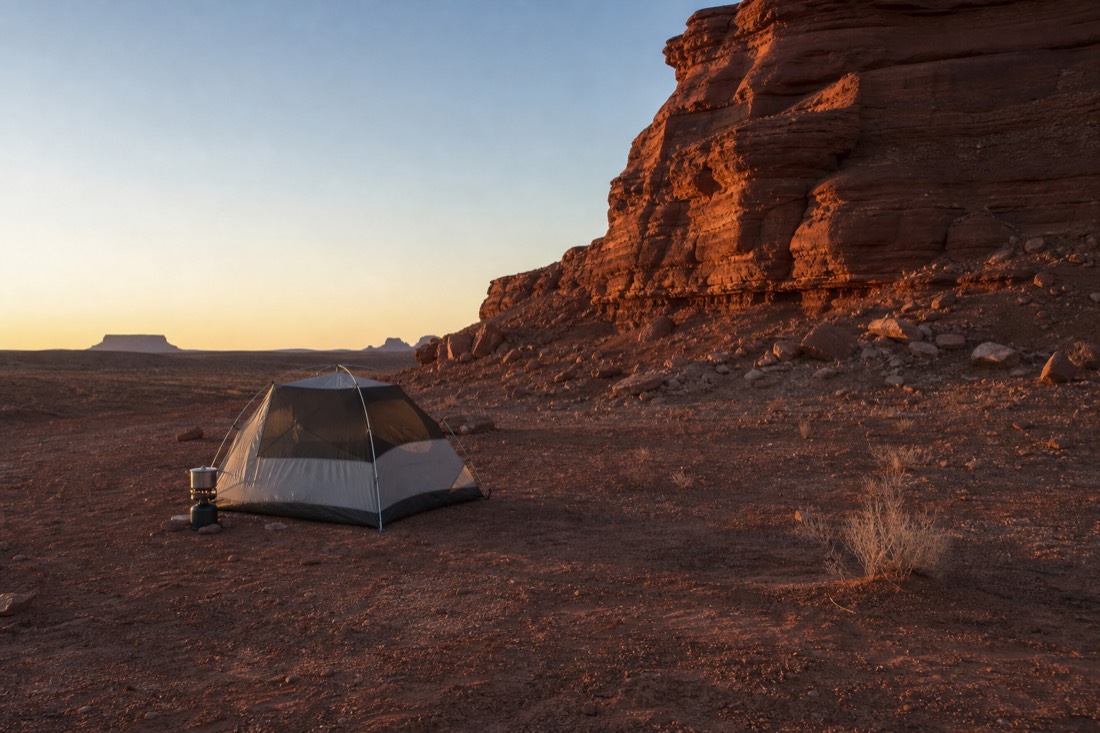
Spending a night out here is genuinely special, and genuinely stark. Because Valley of the Gods is open BLM land rather than a developed campground, the rules are simple and the amenities are zero. You can pull off the road onto an existing bare spot, well clear of the track, and camp for free with no reservation. What you will not find is a spigot, a vault toilet, a fire ring, a bear box or a host. There is nobody to call, and no cell bars to call with across much of the road.
That puts the responsibility entirely on you. Carry all your water in, and more than you think for the heat. Pack out every scrap of trash and all human waste, since there is nothing here to take it. Campfires are not allowed, so cook on a stove and skip the romance of a blaze. Stick to spots that are already bare so you are not crushing living soil or plants, and give the named buttes and any cultural sites plenty of room.
The payoff is a night sky with almost no light pollution and a sunrise you share with nobody. I have guided plenty of visitors who rank a Valley of the Gods camp among the quietest nights of their whole trip. If that sounds like too much self-reliance, Mexican Hat has motel rooms a half hour away, and the where to stay near Monument Valley guide lays out that town along with The View and Goulding's inside and beside the tribal park. Either way the free road stays free, only your comfort changes. For a first taste of the desert dark without full off-grid camping, a Mexican Hat base and a dawn drive back onto the road gets you most of the magic with a bed at the end.
| What you might expect | The reality at Valley of the Gods |
|---|---|
| Cost | Free, no fee for dispersed camping |
| Permit or booking | None needed for dispersed camping |
| Water | None, carry all you need |
| Toilets | None, pack out all waste |
| Campfires | Not allowed, cook on a stove |
| Nearest services | Mexican Hat, roughly a 30 to 40 minute drive |
When is Valley of the Gods worth skipping?
Skip it if you are short on daylight, driving a rented low car after a storm, in an RV or towing a trailer, or set on the Navajo-guided backcountry you can only reach inside the tribal park. Valley of the Gods is a bonus for people with spare time and a capable vehicle, not a substitute for the park. Match it to what you actually want.
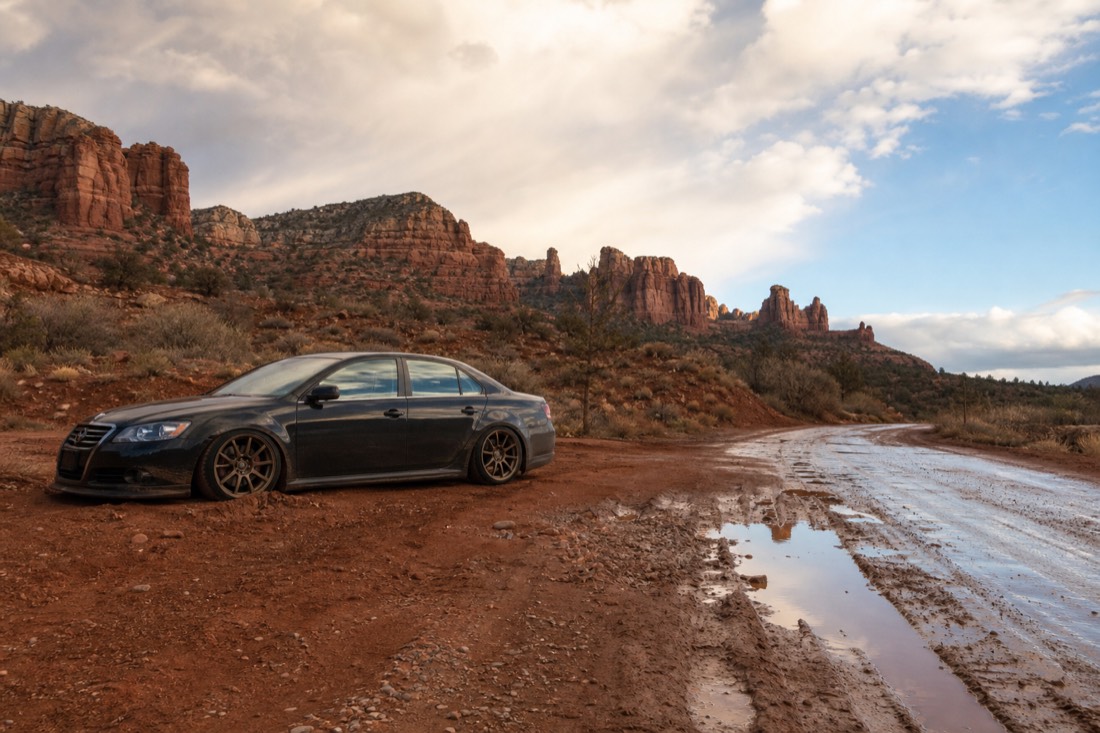
Not every visitor should point the car down this road, and I would rather say so than watch someone strand a rental. The single biggest reason to skip it is time. If you have one day for this whole corner, spend it inside Monument Valley Navajo Tribal Park, where the icons and the Navajo-guided backcountry live. Valley of the Gods is a bonus for people with a spare half day, not a stand-in for the park.
Weather is the second reason. The graded clay road is a gentle drive when dry and a trap when wet. A low rental sedan after a monsoon storm can slide, and the shallow washes can run without warning. If the sky has just opened up, wait for the surface to firm or skip it. An RV or a car towing a trailer is a poor match for a narrow dirt road with sandy dips, so leave the big rig in town.
There is also the honesty point I keep coming back to. If what you actually want is the Mittens at golden hour, John Ford Point, or a guided run out to the arches and hogans, none of that is here. Those sit inside the tribal park and, for the backcountry, need a Navajo guide by law. Some visitors drive Valley of the Gods, love it, and think they have seen Monument Valley. They have seen a lovely free cousin, not the main event. For everyone else, with dry roads, a capable vehicle and an afternoon to spare, this quiet valley is an easy yes.
| If you are | Better to | Why |
|---|---|---|
| Short on daylight | Prioritize the tribal park | The icons and backcountry are why you came |
| In a low rental after rain | Skip or wait for dry | Clay turns slick and washes can run |
| In an RV or towing a trailer | Leave it in town | Narrow graded dirt with sandy dips |
| Set on Navajo-guided backcountry | Book inside the park | No guide and no arch access here |
| After the classic Mittens shot | Go to Monument Valley | The icons sit inside the tribal park |
| Free with dry roads and time | Go, it is an easy yes | A free, quiet, genuinely beautiful drive |
How do you fit Valley of the Gods into a Monument Valley trip?
Slot Valley of the Gods in as a free half-day either side of your Monument Valley stop, since it is roughly a 30 to 40 minute drive from the park, just past Mexican Hat. Drive the 17-mile road in the golden hour, sleep in Mexican Hat or at The View, then give a full session to the tribal park itself, ideally with a guide for the backcountry. The order barely matters; the pairing does.
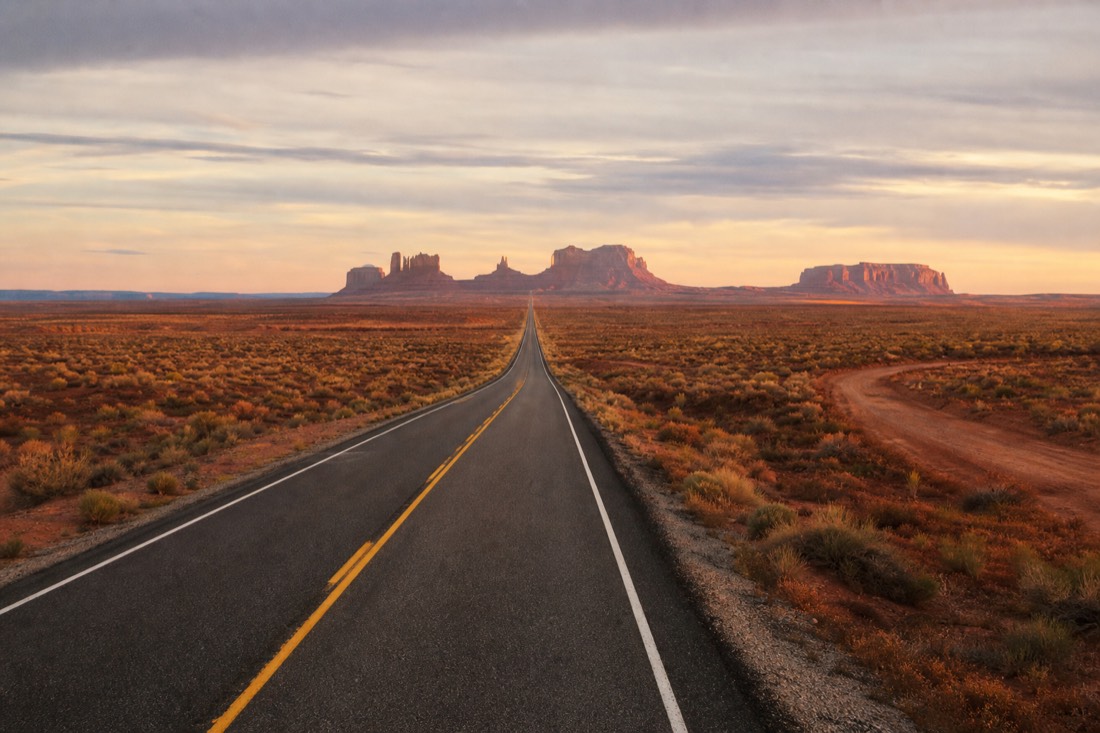
For lodging, Mexican Hat puts you between both valleys, and the where to stay near Monument Valley guide lays out that town alongside The View and Goulding's. Once you are inside the tribal park, the Monument Valley scenic drive guide covers what the paved-and-dirt loop asks of your car, and the rest of the planning answers live on the guides hub.
Make room in your itinerary
Valley of the Gods audio drive
Have a travel date in mind? Check this option before arranging the rest of your trip. Hear GPS-triggered stories about Seven Sailors, Castle Butte and Lady in the Bathtub on this specific scenic loop.
Editorial starting point; use the choices below to check the fit.
Compare options and tailor your choice
Allow 2–3 hours; English app audio, offline download, no live guide or transport. No camping or access guarantee; drive only when road and vehicle conditions permit.
Own vehicle: start at Valley of the Gods east entrance and finish at the west exit toward Moki Dugway.
Ride to Big Hogan, Sun’s Eye and the Totem Pole with a Navajo guide. Shared 2.5-hour tour, English. Park entry and tips extra. Hogan visit and weaving excluded. Not recommended for pregnancy, back/spinal or serious heart conditions.
GPS-triggered stories accompany your own drive, with offline audio downloaded in advance. Allow 2–3 hours. English/French audio; one purchase per car. No live guide, vehicle or park admission. Road access depends on conditions and your vehicle.
Select a date to see the Viator departure schedule.
Schedule only. Final availability, options and price are confirmed on Viator.Affiliate links: we may earn a commission at no extra cost to you. Product facts checked September 15, 2026.