What to Know Before You Visit Monument Valley
The handful of things I wish every visitor knew before they reach the gate, from the fee that surprises people to the customs that matter here.
 Written with Daniel Begay, Monument Valley tour guide & Navajo cultural specialist
Short answer
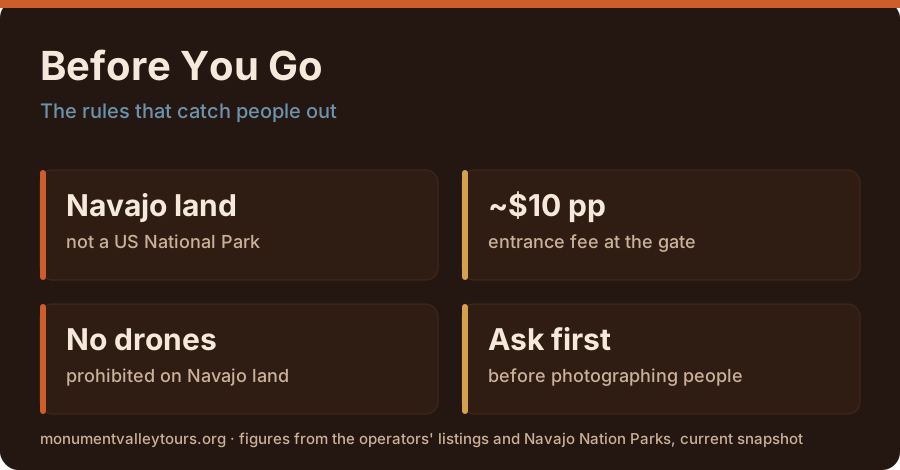
Monument Valley is on Navajo Nation land, not a US National Park, so a National Park pass does not work; expect a roughly $10 per person fee, a rough dirt loop road, seasonal hours, and Navajo customs to respect (no drones, ask before photographing residents, no alcohol).
The most common mistake I see is a good one to fix before you drive out here: people wave a National Park pass at the gate and are surprised it does nothing. Monument Valley is not a US National Park. It is a Navajo tribal park on Navajo Nation land, run by the Navajo people, and that single fact shapes the fee, the rules, and the way you are expected to behave once you are inside. Get your head around it before you arrive and the whole visit goes smoother.
Booking choice: A Navajo guide connects the Mittens, restricted arches and local stories. Explore Navajo Spirit scenic tour
At a glance: Shared tour, English guide, about 3 hours. Park entry and tips extra. Minimum two to operate; solo travelers must arrange pairing with the operator.
Is Monument Valley a National Park?
No. Monument Valley Navajo Tribal Park is on Navajo Nation land and is managed by the Navajo Nation, not the National Park Service. An America the Beautiful pass does not work here. You pay a separate tribal entrance fee, roughly ten dollars per person per day, in cash or card at the gate.
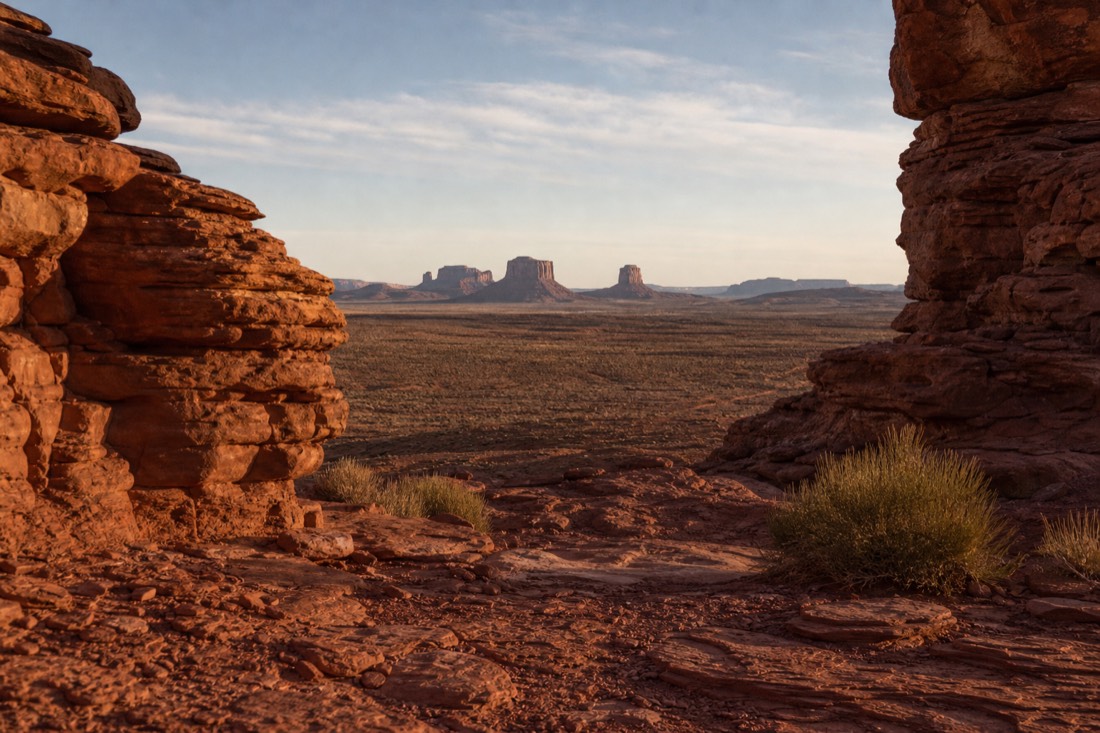
This trips up almost everyone, because the buttes are so famous that people assume federal status. They are wrong, and the distinction matters beyond the fee. Rules, hours and closures are set by the Navajo Nation Parks and Recreation department, not by a federal agency, and the money you pay supports the Navajo community whose land this is. The entrance fee, about ten dollars per person per day with a Scenic Drive vehicle rate near fifteen dollars, is almost always separate from any tour price and paid at the gate. If you have booked a guided tour, confirm whether your operator covers that fee or whether you pay it yourself on the way in. First-timers who would rather not tackle the dirt loop alone tend to start with the Navajo-guided scenic tour, and you can see current dates here before you go. For the encyclopedic background on the park and the Navajo Tribal Park designation, the Monument Valley overview is a reasonable primer.
| Detail | What to expect |
|---|---|
| Entrance fee | ~$10 per person per day (Scenic Drive ~$15 per vehicle), paid at the gate |
| National Park pass | Not accepted; this is Navajo Nation land, not a National Park |
| Summer hours (Apr-Sep) | Roughly 8am-7pm, last entry about 4:30pm |
| Winter hours (Oct-Mar) | Roughly 8am-5pm, last entry about 2:30pm |
| Closed | Thanksgiving, Christmas, New Year |
What is the road into Monument Valley like?
The 17-mile Valley Drive is an unpaved dirt loop, washboarded and sandy in places, that takes most cars two to three hours with stops. Low-clearance vehicles struggle, and motorcycles and RVs are not allowed on it. Everything beyond that loop is backcountry, closed to private vehicles and open only with a Navajo guide.
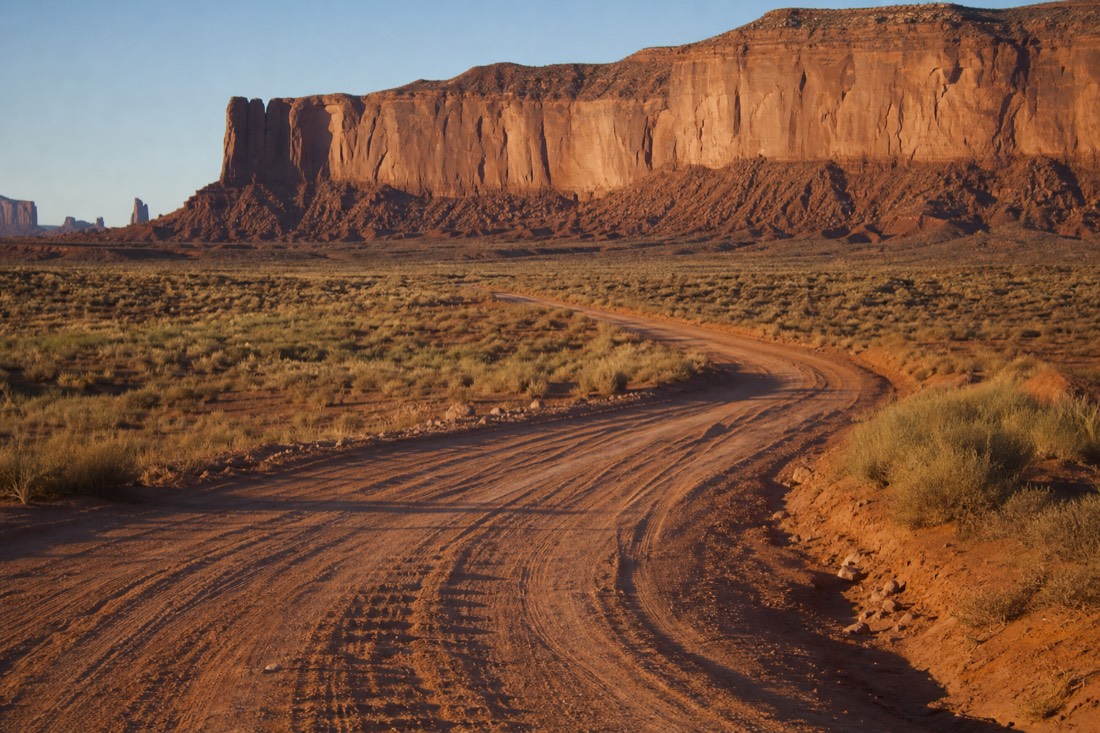
People expect a paved scenic route and find graded dirt instead. The loop is drivable in an ordinary car if you go slowly, but there are washboard stretches and pockets of deep sand where a low sedan scrapes or bogs down, so a higher-clearance vehicle is the comfortable choice. Motorcycles and RVs are prohibited on the drive outright. The bigger limit is where the public road ends: the arches, hogans, Mystery Valley and quieter formations all sit in backcountry that you simply cannot reach on your own. That is by design, to protect the land and the families who live on it. Our Monument Valley scenic drive guide walks the loop stop by stop, and the do you need a guide piece explains exactly where the line falls.
What Navajo customs should visitors respect?
Treat the park as someone's home, because it is. Drones are prohibited. Always ask before photographing Navajo residents, and accept no as an answer. Alcohol and drugs are banned across the Navajo Nation. Stay on marked roads, do not climb or remove anything, and keep to the pace your guide sets.
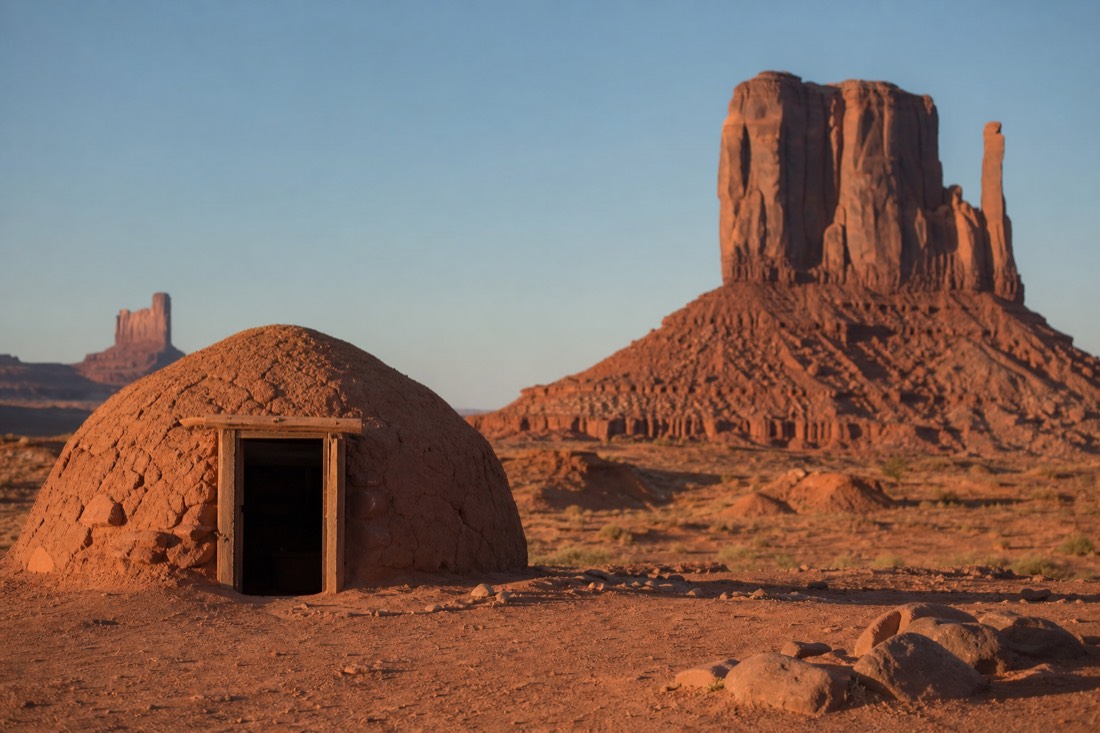
The rules here are not bureaucratic box-ticking; they come from the fact that Navajo families still live and graze livestock within the park. Drones are banned, which disappoints photographers, but the ban is firm and enforced. Photography of the landscape is welcome, yet people are not scenery: ask before you point a camera at a resident, a vendor or a guide, and if the answer is no, put the camera down. The whole Navajo Nation is dry, so leave alcohol and any drugs out of your trip entirely. Commercial or paid photo shoots need a Special Use Permit arranged in advance, so a casual visit should stay casual. None of this is hard, and honoring it is the difference between being a guest and being a problem. Our visiting Navajo Nation respectfully post goes deeper on the why behind each of these.
| Do | Do not |
|---|---|
| Ask before photographing any Navajo person | Fly a drone anywhere in the park |
| Stay on marked roads and the graded loop | Climb on, carve, or remove rocks and plants |
| Buy directly from Navajo vendors and artists | Bring alcohol or drugs onto the Nation |
| Follow your guide's pace and instructions | Wander off into the backcountry alone |
| Arrange a Special Use Permit for commercial shoots | Assume a National Park pass covers entry |
What should you bring to Monument Valley?
Bring water, sun protection, layers, cash for the fee and vendors, and a full tank of fuel, because services are sparse. Summers are hot and exposed, winters get cold and can bring snow, and the nearest reliable gas and supplies are in Kayenta. Pack for a remote high-desert park, not a roadside stop.
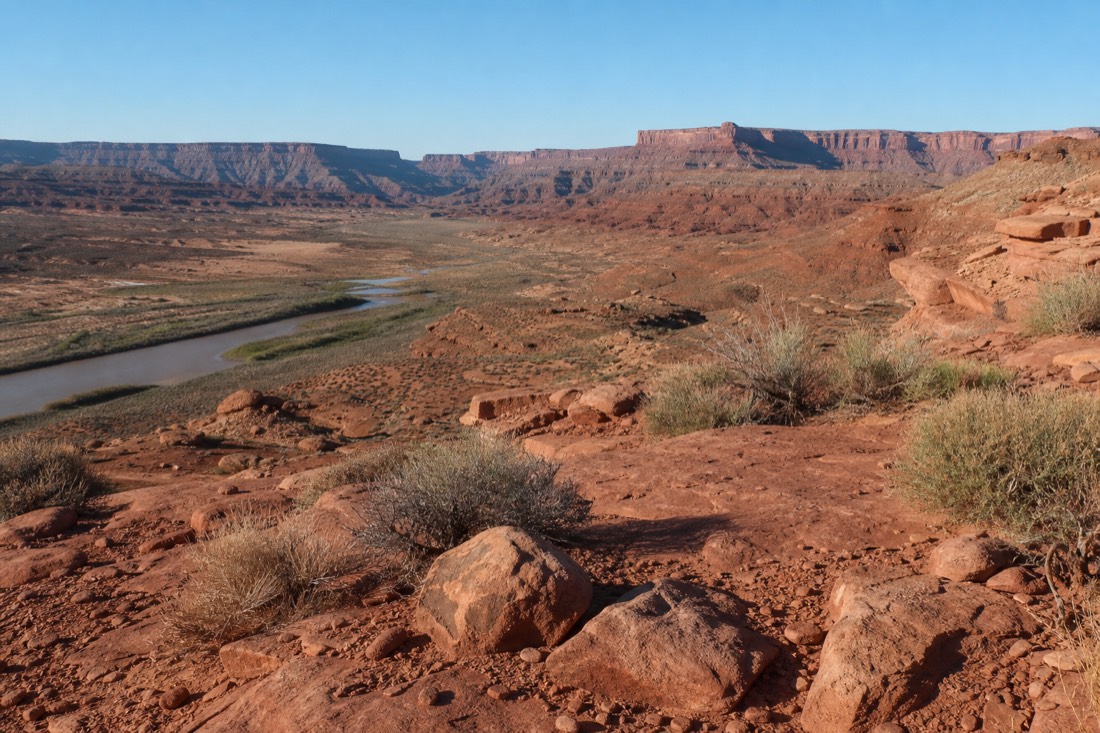
The valley sits above 5,000 feet in open desert, which means strong sun, big temperature swings between day and night, and very little shade on the loop. Carry more water than you think you need, plus a hat, sunscreen and sunglasses, and add warm layers in the shoulder seasons and winter when mornings bite and snow is possible. Fuel up in Kayenta before you come, since options near the park are limited and pricey. Bring some cash: the entrance fee is easiest that way, and Navajo artisans at the viewpoints sell jewelry and crafts you will want to buy directly from the maker. If you are staying over, the only hotel inside the park is The View Hotel, and booking ahead matters because it is small and popular. Our where to stay near Monument Valley guide covers the alternatives, and the full guides hub rounds up the rest of the planning.
| What to pack | Why |
|---|---|
| Extra water | Above 5,000 feet, hot and shadeless on the loop |
| Sun hat, sunscreen, sunglasses | Strong high-desert sun year round |
| Warm layers | Cold mornings, possible snow in the shoulder seasons and winter |
| Cash | Easiest for the entrance fee and for buying from Navajo vendors |
| Full tank of fuel | Nearest reliable gas is in Kayenta; services near the park are sparse |
When is Monument Valley open, and when should you arrive?
The park keeps seasonal hours: roughly 8am to 7pm in summer with last entry near 4:30pm, and about 8am to 5pm in winter with last entry near 2:30pm. It closes on Thanksgiving, Christmas and New Year. Arrive with enough daylight left to drive the loop, and aim for late afternoon light.
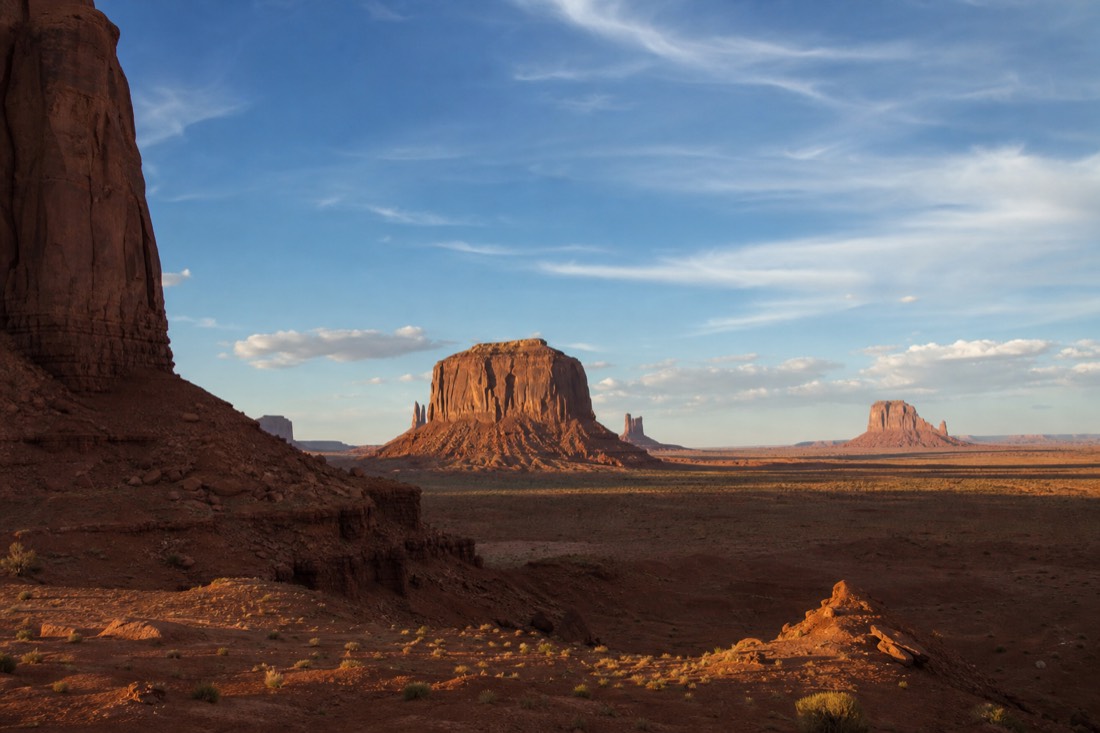
Hours here are not a formality, because the gate genuinely stops letting people in well before it closes, and the loop takes two to three hours. Roll up an hour before last entry in winter and you will be rushed or turned away. Plan your arrival around the late afternoon, both to clear the last-entry cutoff comfortably and to catch the low light that makes the buttes glow. Watch the clock in the other sense too: the Navajo Nation observes daylight saving time while most of Arizona ignores it, so in summer the park runs an hour ahead of Phoenix and Page, and a mistimed drive can cost you the gate. Always check the current day's hours on the official Navajo Nation Parks and Recreation page before you set out, and read our best time to visit Monument Valley guide to pick the right month for the trip.
Make room in your itinerary
Navajo Spirit scenic tour
Have a travel date in mind? Check this option before arranging the rest of your trip. A Navajo guide connects the Mittens, restricted arches and local stories.
Editorial starting point; use the choices below to check the fit.
Compare options and tailor your choice
Shared tour, English guide, about 3 hours. Park entry and tips extra. Minimum two to operate; solo travelers must arrange pairing with the operator.
Meet at the round, green-roof Navajo Welcome Center off US-163; return there. No hotel pickup.
Ride to Big Hogan, Sun’s Eye and the Totem Pole with a Navajo guide. Shared 2.5-hour tour, English. Park entry and tips extra. Hogan visit and weaving excluded. Not recommended for pregnancy, back/spinal or serious heart conditions.
The extended route adds a hogan visit and a live Navajo rug-weaving demonstration. Shared 3.5-hour tour, English guide, open 4x4. Park entry extra. Children accompanied; unsuitable for back/spinal or serious heart conditions and pregnancy beyond five months.
GPS-triggered stories accompany your own drive, with offline audio downloaded in advance. Allow 2–3 hours. English/French audio; one purchase per car. No live guide, vehicle or park admission. Road access depends on conditions and your vehicle.
Select a date to see the Viator departure schedule.
Schedule only. Final availability, options and price are confirmed on Viator.Affiliate links: we may earn a commission at no extra cost to you. Product facts checked September 15, 2026.