The Iconic Viewpoints of Monument Valley: Mittens to John Ford Point
A Navajo guide's tour of Monument Valley's famous viewpoints, from the Mitten Buttes and John Ford Point to Totem Pole, and which need a guide to reach.
 By Daniel Begay, Monument Valley tour guide & Navajo cultural specialist
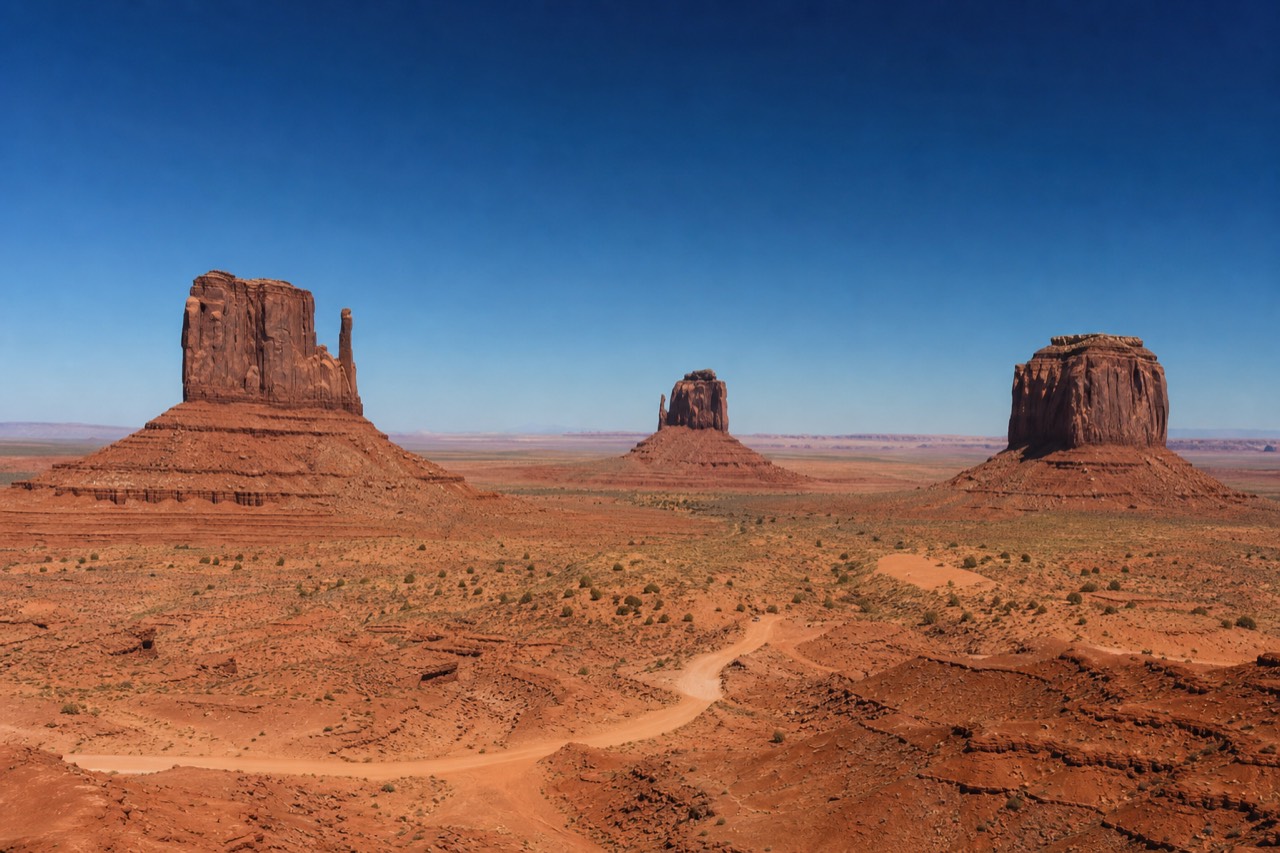
Most people arrive picturing one shot: two rock hands rising out of the desert with a gap of sky between them. Those are the Mittens, and they are the first thing you see from the visitor center rim. What surprises visitors is how much valley sits behind that postcard. I spend my days moving between these formations, and I can tell you the difference between the ones you can drive to and the ones that need a Navajo guide is the difference between seeing Monument Valley and being inside it.
Booking choice: Ride to Big Hogan, Sun’s Eye and the Totem Pole with a Navajo guide. Explore Backcountry tour with Navajo guide
At a glance: Shared 2.5-hour tour, English. Park entry and tips extra. Hogan visit and weaving excluded. Not recommended for pregnancy, back/spinal or serious heart conditions.
What are the most famous viewpoints in Monument Valley?
The signature viewpoints are West Mitten Butte, East Mitten Butte, and Merrick Butte from the rim, then John Ford Point, Artist's Point, North Window, and Totem Pole along and beyond the 17-mile Valley Drive. The Mittens and John Ford Point are the most photographed. Totem Pole and several others sit in guide-only backcountry.
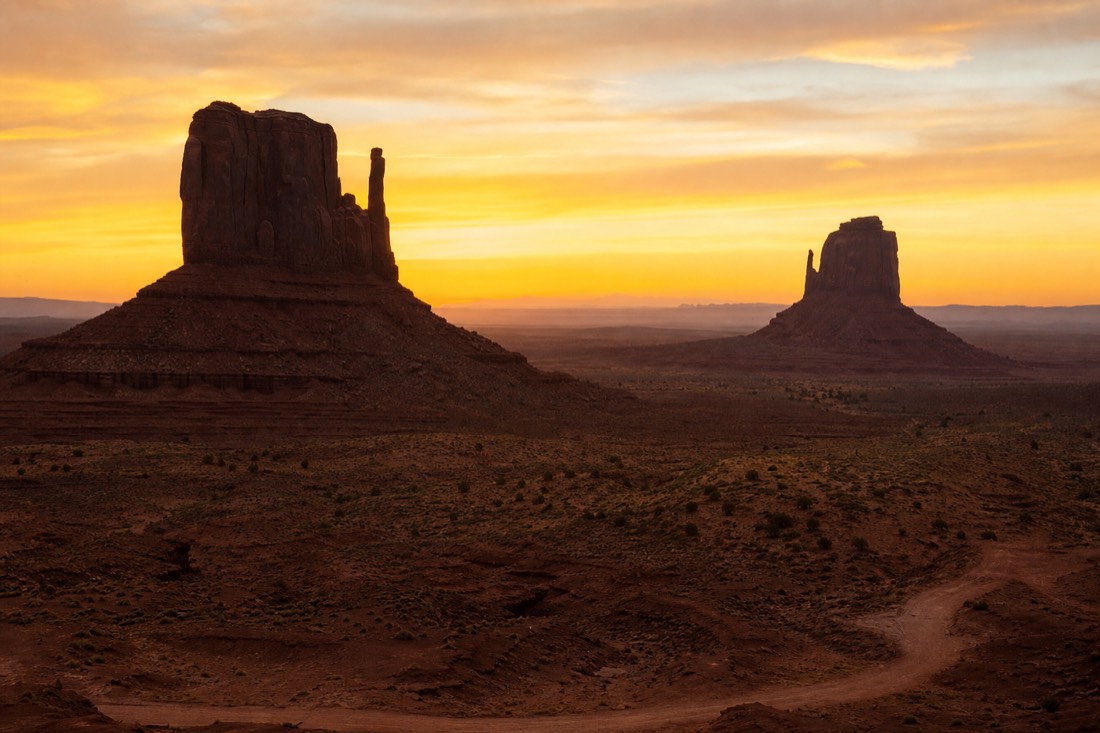
Each formation has a Navajo name and a story that predates any map label. The two Mittens are named for their shape, hands of the spirit beings watching over the valley. Merrick Butte carries the name of a prospector. John Ford Point takes its name from the film director who shot here across two decades. I keep the tour moving between the geology and the older stories, because both are true and both matter.
Which viewpoints can you reach on the self-drive loop?
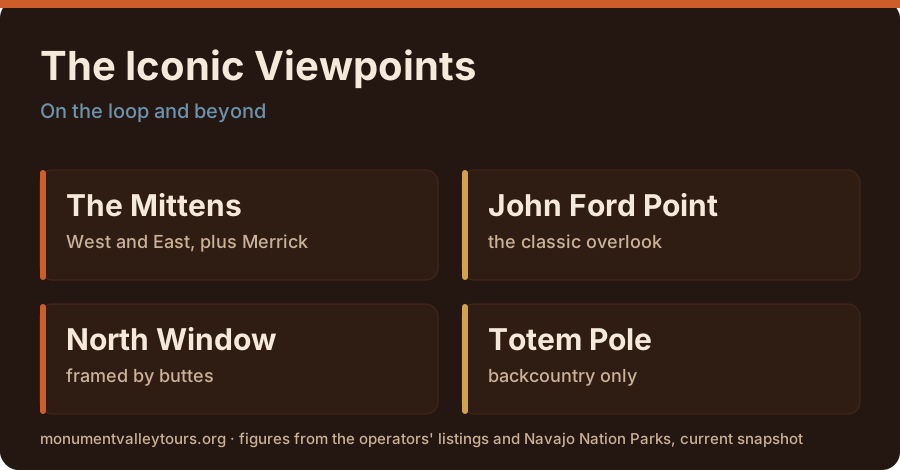
The 17-mile Valley Drive reaches the headline viewpoints on its own: the Mittens and Merrick Butte, John Ford Point, Artist's Point, North Window, and the Totem Pole overlook. It is a dirt, washboard road with deep sand in places, takes two to three hours, and bans motorcycles and RVs. Low cars struggle.
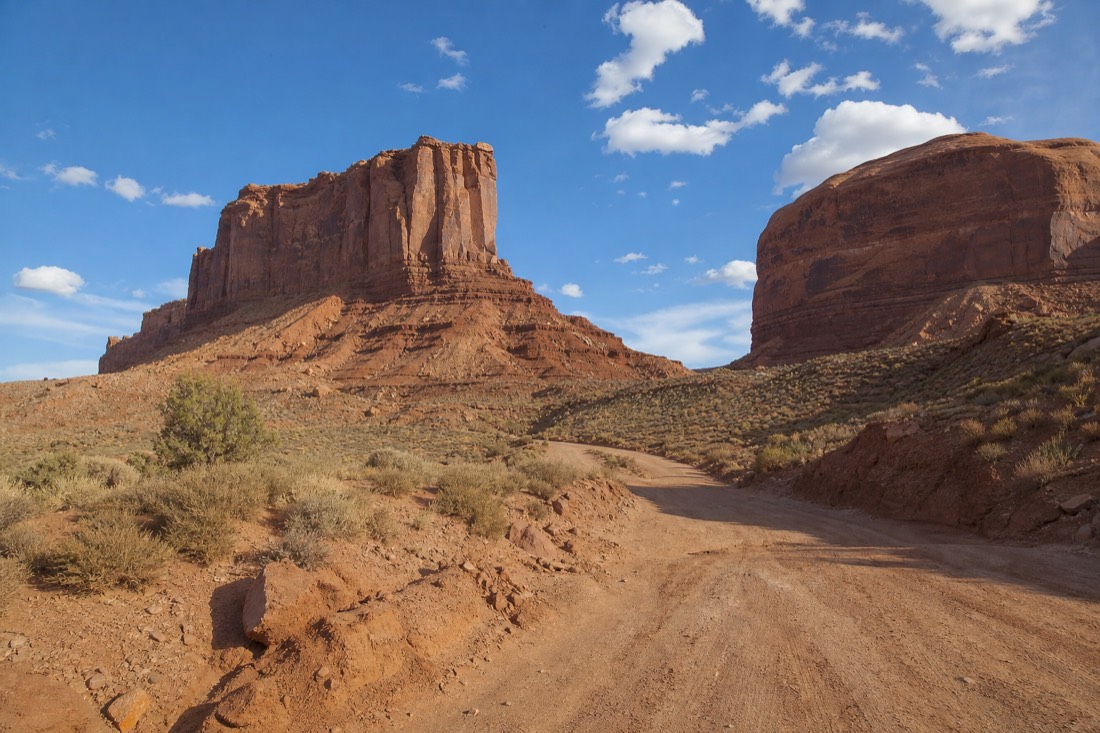
Here is the viewpoint-by-viewpoint version I give visitors before they set out:
| Viewpoint | What it is | Loop or backcountry | Best light |
|---|---|---|---|
| West and East Mitten Buttes | The signature twin hands | Loop (rim and drive) | Sunrise and sunset |
| Merrick Butte | Third butte beside the Mittens | Loop | Sunrise |
| John Ford Point | Film-famous promontory | Loop | Late afternoon |
| Artist's Point | Wide layered panorama | Loop | Afternoon |
| North Window | Framed view between buttes | Loop | Morning |
| Totem Pole | Slender spire cluster | Overlook on loop; base is backcountry | Sunrise |
The road is the catch. It is unpaved and rough, and the deep sand near the far end catches out low-clearance cars every day. There is no shame in parking the rental and riding with someone who does this road daily. For the full picture of the drive itself, I keep a guide to the Monument Valley scenic drive, and a straight answer on how long the 17-mile loop takes.
Which viewpoints need a Navajo guide?
The backcountry sites need a Navajo guide by tribal park rule: the base of Totem Pole, Ear of the Wind arch, Sun's Eye, Big Hogan, Moccasin Arch, and the Mystery Valley area. These sit off the public loop, on Navajo land you cannot enter alone. A guided tour is the only legal way in.
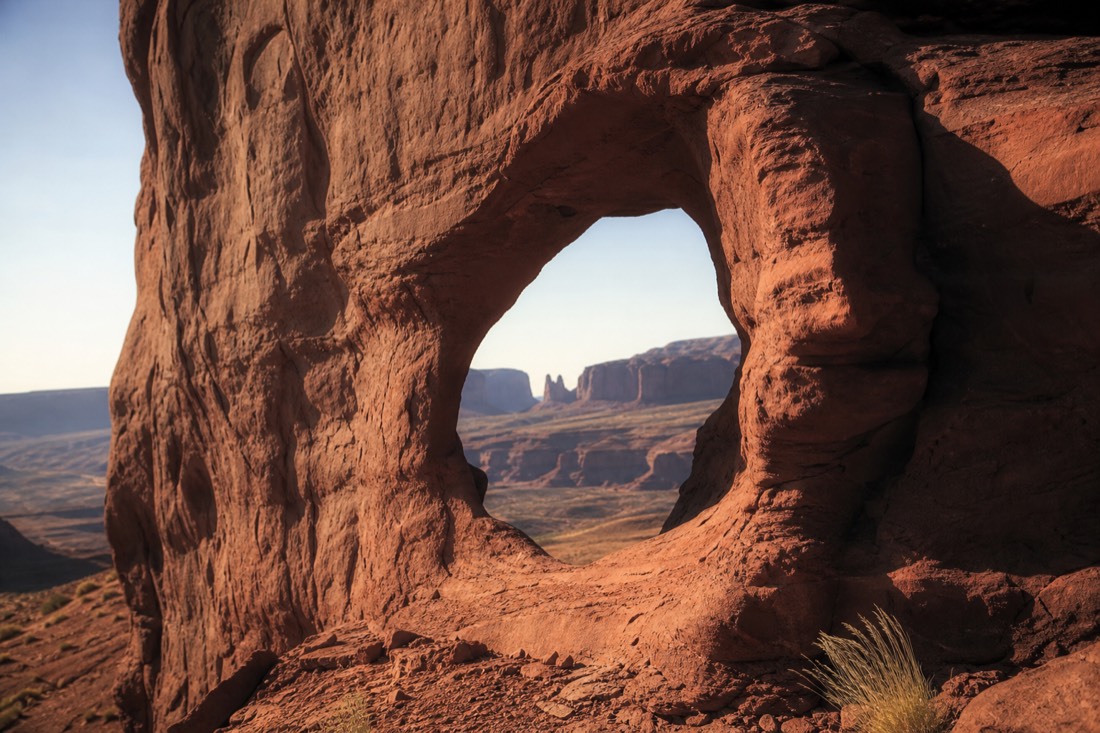
This is not a marketing line, it is the rule. The public loop is open to anyone with a vehicle and a park ticket. Everything beyond it, the arches, the acoustic chambers, the old hogans, is guide-only, and the official terms are set by the Navajo Nation Parks department. They are also where the desert goes silent, because the tour crowds never reach them.
| Backcountry site | What you get | Why it needs a guide |
|---|---|---|
| Totem Pole (base) | Close view of the spires | Off the public loop |
| Ear of the Wind | Wind-carved arch | Requires guided backcountry access |
| Sun's Eye and Big Hogan | Acoustic sandstone chambers | Navajo land, permit-only |
| Moccasin Arch | Photogenic natural arch | Off the public loop |
| Mystery Valley | Ruins and lesser-known arches | Separate guided area |
What is the best order to see the viewpoints?
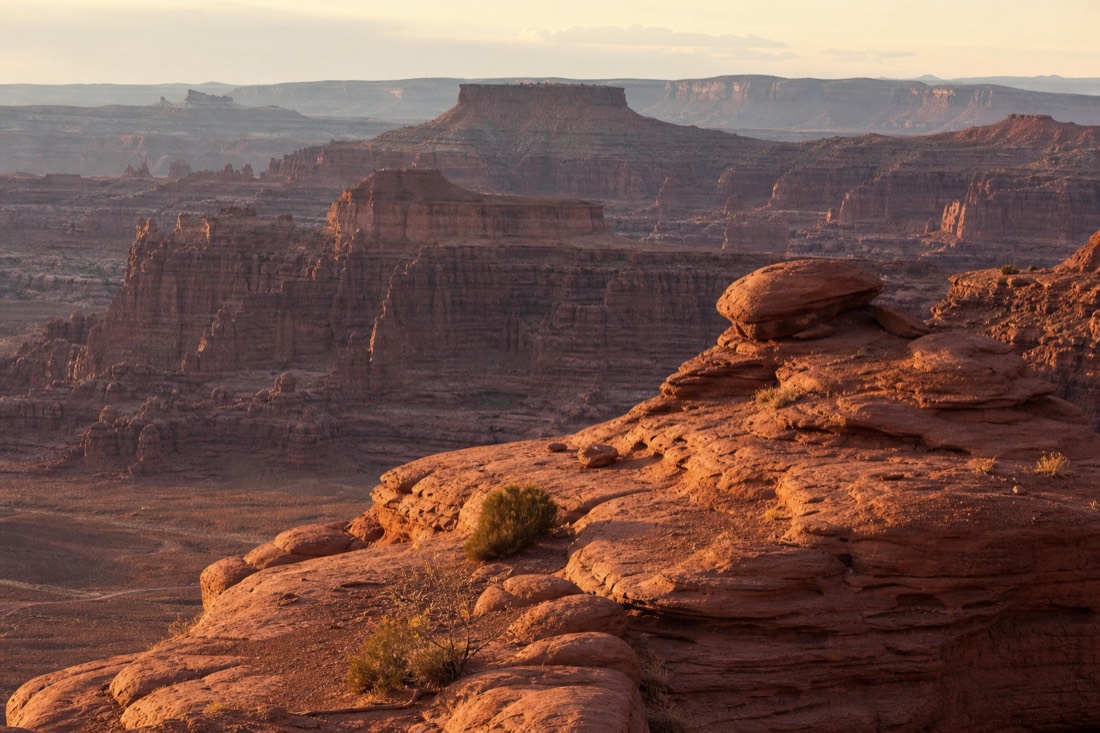
Drive the loop clockwise from the visitor center: start at the Mittens and Merrick Butte overlook, descend to John Ford Point, then Artist's Point, North Window, and the Totem Pole view before climbing back out. Add the backcountry as a separate guided leg, ideally at sunrise or late afternoon for the deepest color.
| Stop order | Viewpoint | Rough timing on the loop |
|---|---|---|
| 1 | Mittens and Merrick overlook | First 10 minutes |
| 2 | John Ford Point | 30 to 45 minutes in |
| 3 | Artist's Point | Around the halfway mark |
| 4 | North Window | Two-thirds in |
| 5 | Totem Pole overlook | Far end of the loop |
| 6 | Backcountry (guided) | Separate leg |
Light is everything out here. The Mittens throw their best shadows at sunrise and sunset, John Ford Point glows in late afternoon, and North Window frames cleanest in the morning. If you are weighing which end of the day to aim for, I compared sunrise vs sunset in Monument Valley from behind the wheel, and there is a wider overview of the whole area on the encyclopedic Monument Valley page.
Should you self-drive or take a guided tour?
Self-drive if you only want the loop viewpoints and have a capable vehicle for the rough dirt road. Take a guided tour if you want the backcountry arches and hogans, want to skip the sand-trap worry, or want the Navajo stories on site. A guided run covers both the loop icons and the guide-only sites in one trip.
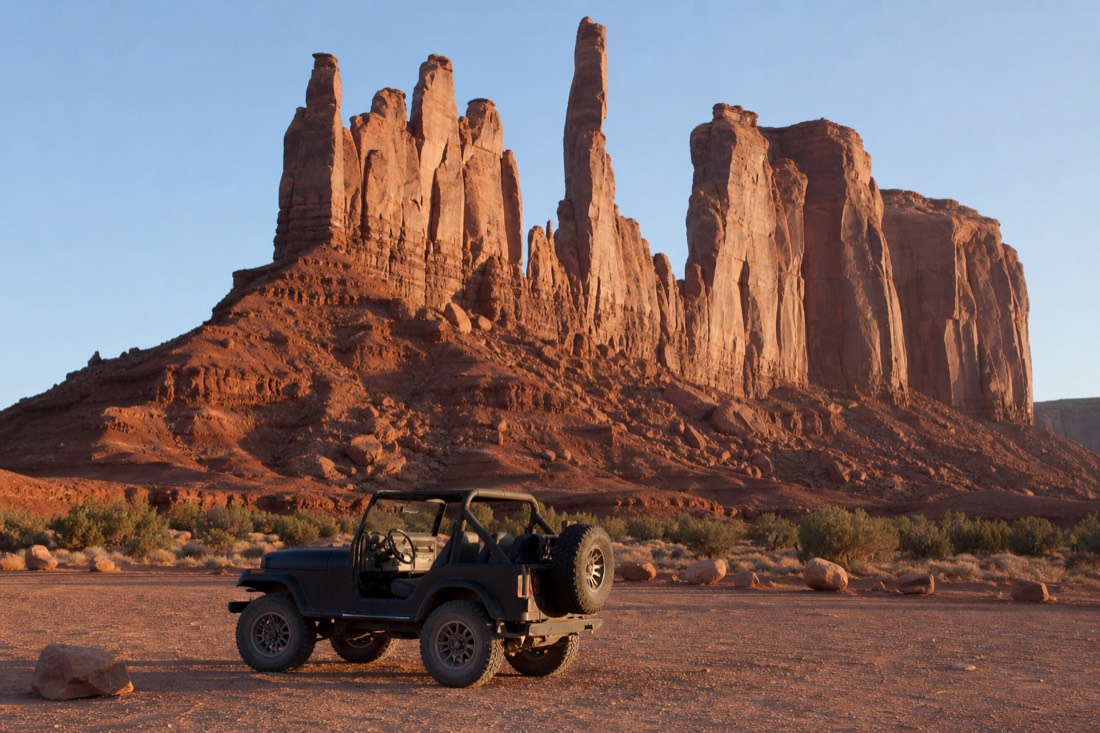
For a first visit with limited time, I steer people toward the guided option, because it removes the road stress and unlocks the half of the valley the loop cannot reach. If you want the film-country context before you go, read my piece on John Wayne and John Ford in Monument Valley.
The Mittens will always be the photo everyone takes. The viewpoints past the pavement are the ones people remember.
Make room in your itinerary
Backcountry tour with Navajo guide
Have a travel date in mind? Check this option before arranging the rest of your trip. Ride to Big Hogan, Sun’s Eye and the Totem Pole with a Navajo guide.
Editorial starting point; use the choices below to check the fit.
Compare options and tailor your choice
Shared 2.5-hour tour, English. Park entry and tips extra. Hogan visit and weaving excluded. Not recommended for pregnancy, back/spinal or serious heart conditions.
Meet outside The View Hotel in the tour loading area 15 minutes early; return there. KOA pickup only by arrangement for overnight guests.
GPS-triggered stories accompany your own drive, with offline audio downloaded in advance. Allow 2–3 hours. English/French audio; one purchase per car. No live guide, vehicle or park admission. Road access depends on conditions and your vehicle.
Visit the Totem Pole, Sun’s Eye and John Ford Point in the day’s changing light. 3 hours, English guide, water and native music. Select sunrise OR sunset for your month on Viator. Park entry extra. Uneven surfaces; unsuitable for back conditions. Children need two paying adults.
The extended route adds a hogan visit and a live Navajo rug-weaving demonstration. Shared 3.5-hour tour, English guide, open 4x4. Park entry extra. Children accompanied; unsuitable for back/spinal or serious heart conditions and pregnancy beyond five months.
Select a date to see the Viator departure schedule.
Schedule only. Final availability, options and price are confirmed on Viator.Affiliate links: we may earn a commission at no extra cost to you. Product facts checked September 15, 2026.