What Makes Monument Valley Special? A Navajo Guide Explains
Why Monument Valley feels unlike any other red-rock park: isolated buttes on a flat floor, a living Navajo landscape, film history, and desert light, from a local guide.
 By Daniel Begay, Monument Valley tour guide & Navajo cultural specialist
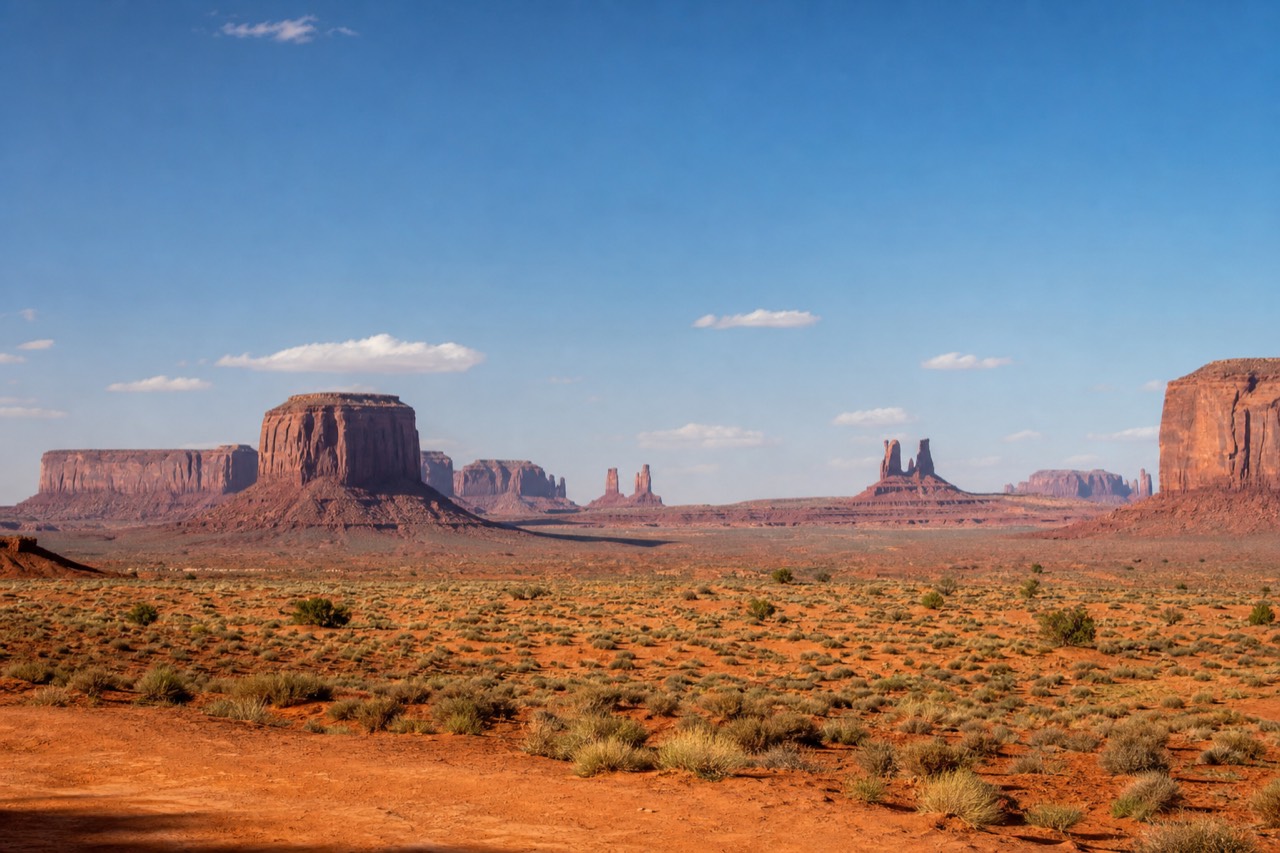
The first thing my guests notice is the silence, then the size. You come around the last bend on US-163, the road drops, and three sandstone buttes just stand there on a floor so flat it looks poured. I have driven that road more times than I can count since I started guiding here in 2022, and it still gets me. My grandmother grazed sheep under those same rocks. That is the part a postcard never tells you.
Booking choice: A Navajo guide connects the Mittens, restricted arches and local stories. Explore Navajo Spirit scenic tour
At a glance: Shared tour, English guide, about 3 hours. Park entry and tips extra. Minimum two to operate; solo travelers must arrange pairing with the operator.
What actually makes Monument Valley special?
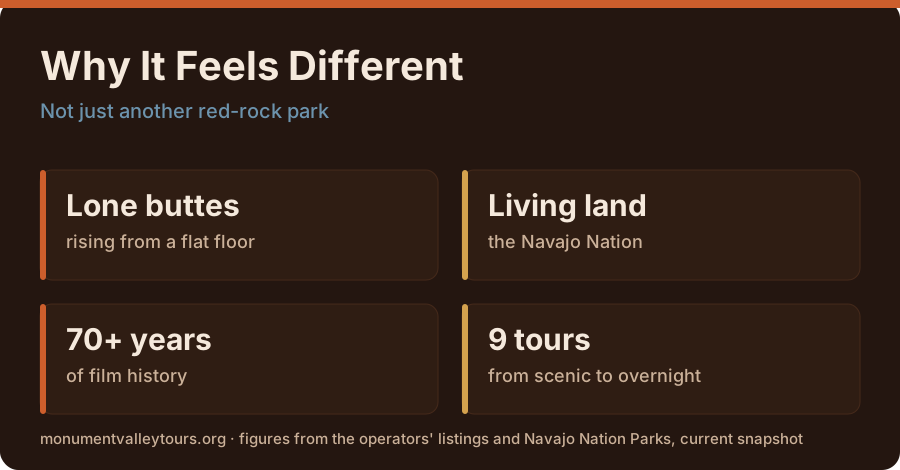
Monument Valley is special because it is not a canyon. It is a wide, flat desert floor with isolated sandstone buttes and spires rising straight out of it, set on living Navajo land, wrapped in film history, and lit by a hard high-desert light that changes the rock color by the hour.
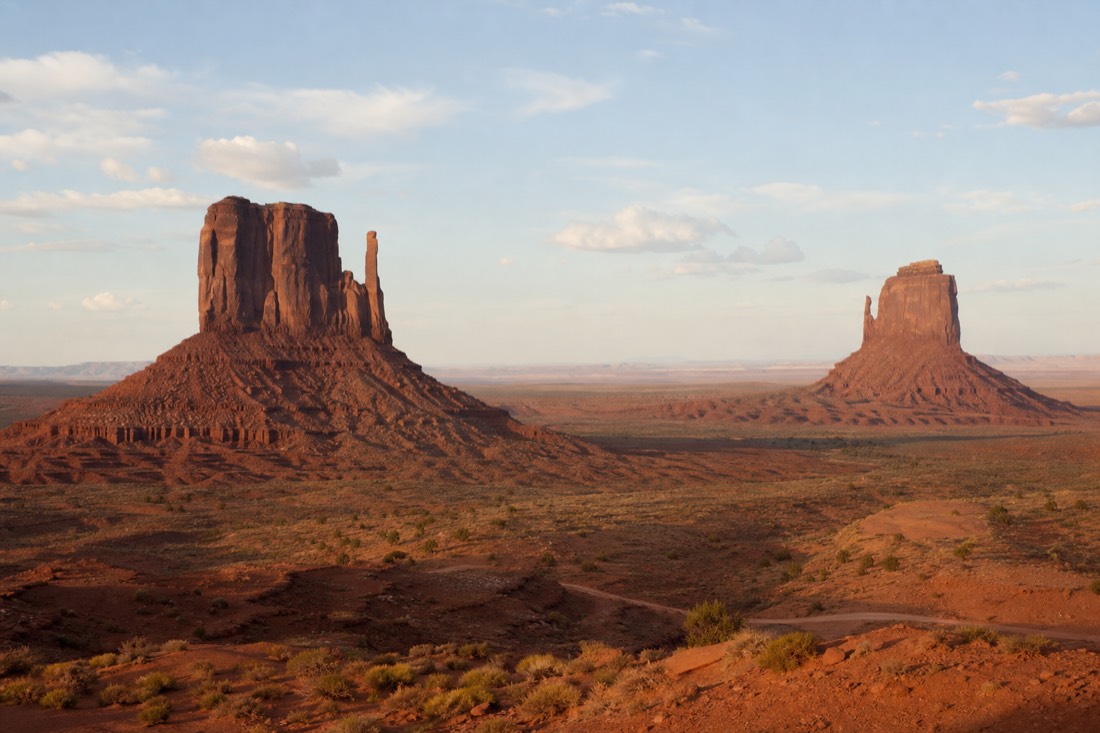
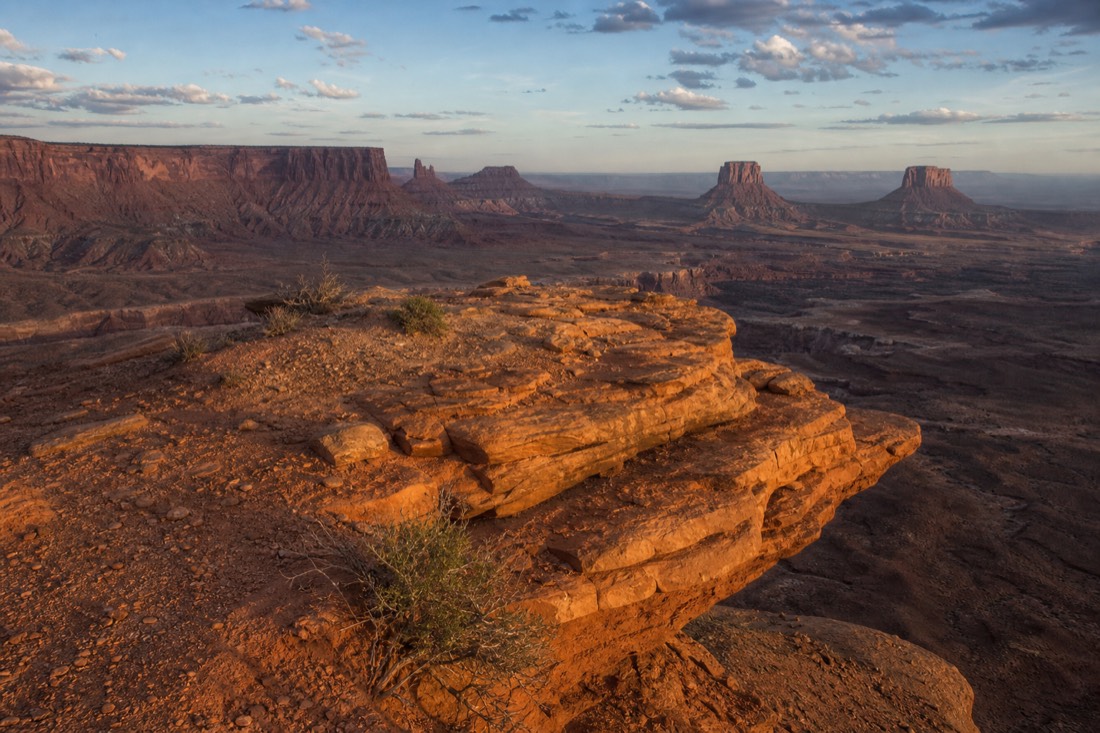
Most famous Southwest scenery is carved down: rivers cut canyons into a plateau, and you look into a hole. Here the opposite happened. Softer rock eroded away over millions of years and left the harder sandstone standing alone. So instead of looking down into something, you stand on the floor and look up at towers. That single difference is why the place reads as monumental on camera and in person. The encyclopedic overview of Monument Valley covers the geology in detail, but the short version is: this is a valley of what is left, not what was dug out.
The second layer is that people live here. This is part of the Navajo Nation, not a US National Park, so your America the Beautiful pass does not work and there is a separate tribal entrance fee, usually around 10 dollars per person, paid at the gate. Families still herd sheep and run hogans inside the park boundary. When you visit, you are a guest on someone's homeland, and that changes how the whole place feels.
What are the signature formations you come to see?
The valley's headline formations are the East and West Mitten Buttes and Merrick Butte at the entrance, the Three Sisters spires, John Ford Point, the Totem Pole and Yei Bi Chei, plus backcountry landmarks like Ear of the Wind, Sun's Eye, Big Hogan, and Moccasin Arch that only a Navajo guide can take you to.
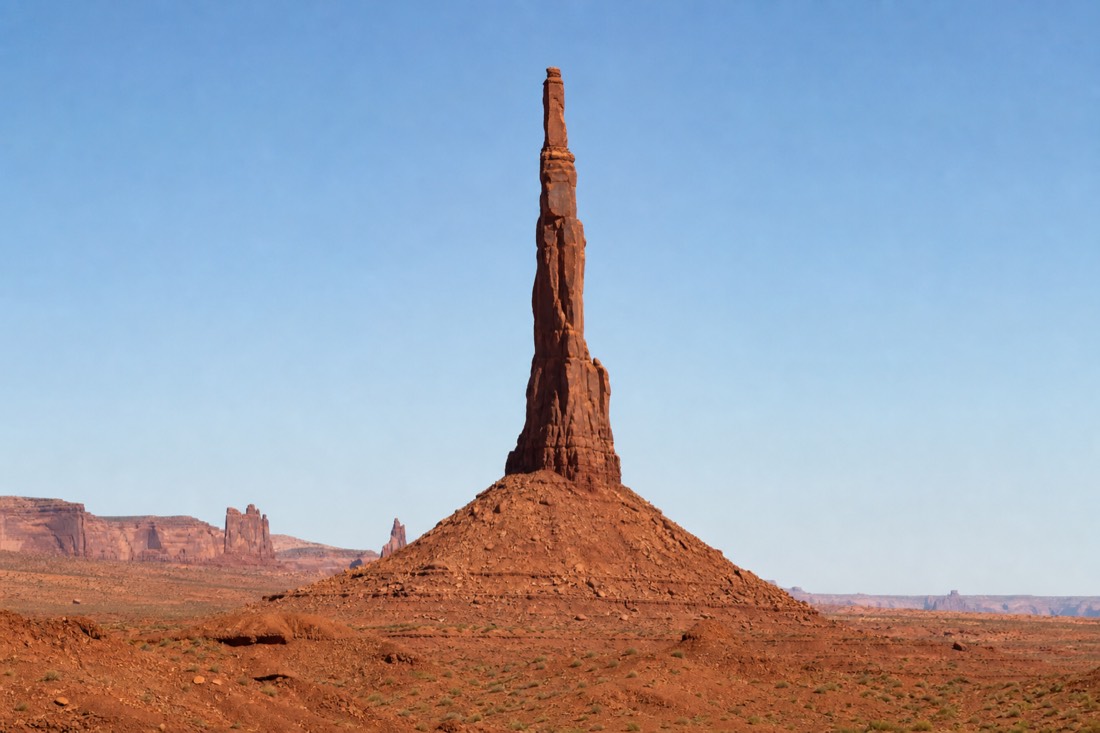
The Mittens are the shot everyone knows: two buttes shaped like hands with thumbs, one on each side, framing the sunrise. From the visitor center overlook you can see them without driving anywhere. The Totem Pole is the opposite kind of rock, a needle-thin spire that looks like it should have fallen over a thousand years ago. The formations split cleanly into two groups: the ones the 17-mile self-drive loop passes, and the ones locked behind the backcountry that needs a permitted guide.
| Formation | What it is | Where you see it |
|---|---|---|
| East and West Mitten Buttes | Twin buttes shaped like mittens | Visitor center overlook, no drive needed |
| Merrick Butte | Broad butte beside the Mittens | Same overlook, valley entrance |
| Three Sisters | Slender rock spires | Along the Valley Drive loop |
| John Ford Point | Promontory named for the director | Valley Drive loop, classic photo stop |
| Totem Pole and Yei Bi Chei | Tall thin spire and cluster | Viewable from the loop, closest on tour |
| Ear of the Wind, Sun's Eye, Big Hogan | Arches and light windows | Backcountry only, Navajo guide required |
How is Monument Valley different from other Southwest parks?
Monument Valley differs from Grand Canyon, Zion, Arches, and Bryce in three ways: it is tribal land with a tribal fee rather than a national park, its scenery rises up from a flat floor instead of being carved down, and its backcountry is closed to unguided hikers, so a Navajo guide is the way in.
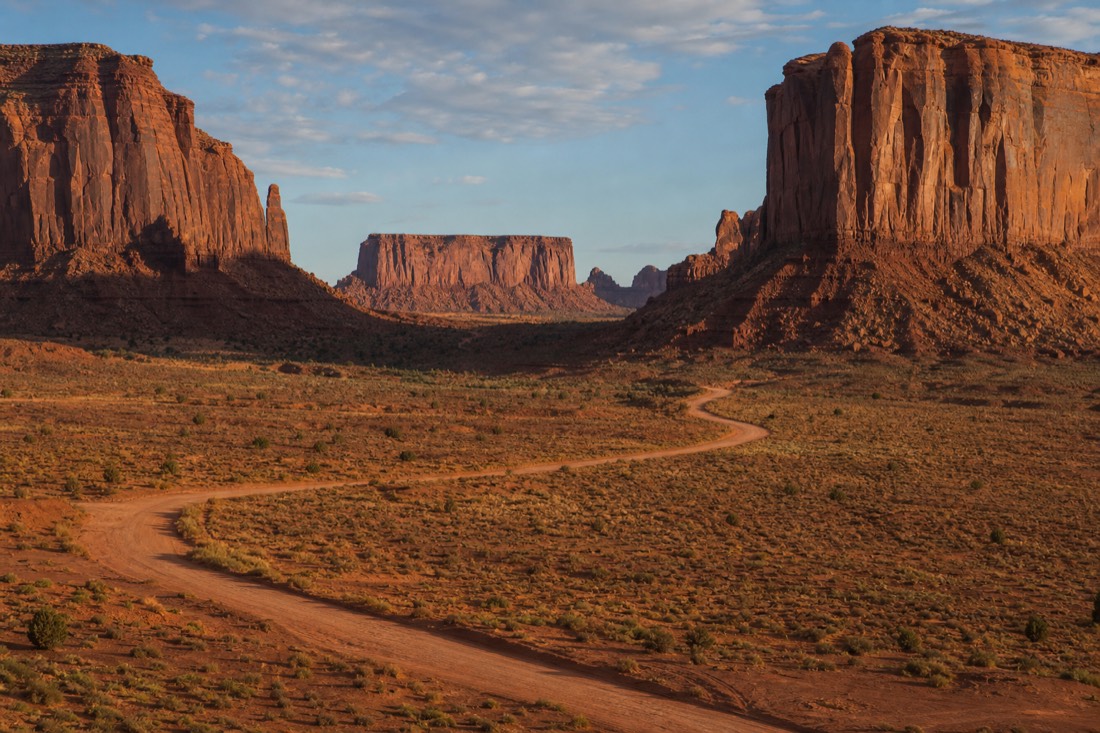
People often try to fit Monument Valley into the same mental box as the big national parks, and it does not go. You cannot buy a national parks pass here. You cannot wander off on your own into the good stuff. And the landscape works in reverse from a canyon. Once you understand those three things, the whole visit makes more sense, including why the backcountry runs cost what they do.
| Park | Land type | Landform | Backcountry access |
|---|---|---|---|
| Monument Valley | Navajo Nation tribal park | Buttes rising from a flat floor | Navajo guide required |
| Grand Canyon | US National Park | Canyon carved by a river | Hike freely with a permit |
| Zion | US National Park | Canyon and cliffs | Hike freely, some permits |
| Arches | US National Park | Freestanding stone arches | Hike freely |
| Bryce Canyon | US National Park | Hoodoo amphitheater | Hike freely |
That comparison is also why I tell people not to treat Monument Valley as a quick drive-through on the way to somewhere with a pass. It runs on a different set of rules, and the reward for respecting them is the part almost nobody else gets to see.
Why does the light here look the way it does in photos?
The valley sits high in clear desert air with almost no haze, so the low sun at sunrise and sunset hits the iron-rich sandstone at a shallow angle and turns it deep orange and red, while midday flattens the same rock to a pale dusty tan. The light, not the rock, is what changes.
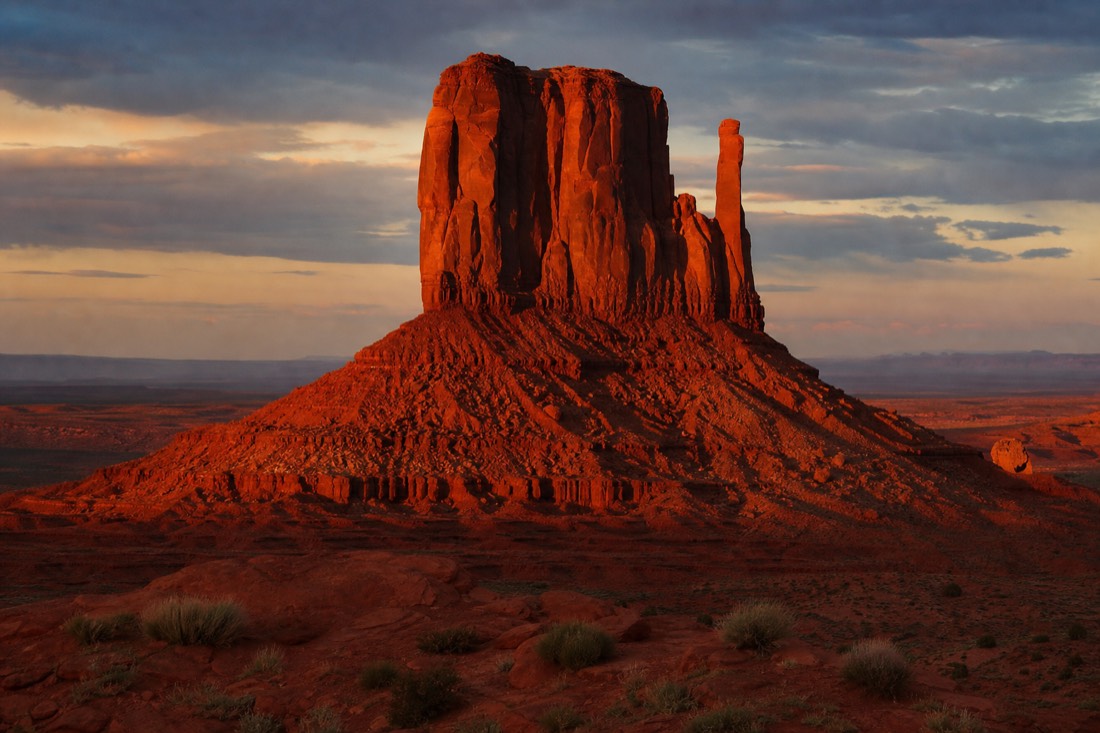
I plan tours around the sun, not the clock. Around the middle of the day the buttes look washed out and gray-orange, and photos come back dull. In the first hour after sunrise and the last hour before sunset, the same East Mitten glows like a coal. That first-light window is exactly why I steer photographers toward a Navajo-guided sunrise run. That is the iron oxide in the Navajo Sandstone catching a low, warm beam through very dry air. Storm days are their own reward: a dark sky behind a lit butte is the most dramatic frame in the whole valley.
If you are trying to time a visit around that light, the deeper breakdown lives in our guide to the best time to visit Monument Valley, and the sunrise-versus-sunset call gets its own side-by-side comparison on the blog.
Why is Monument Valley in so many movies?
Monument Valley became the visual shorthand for the American West because director John Ford filmed Stagecoach here in 1939, then returned for classics like The Searchers, and John Wayne starred across those films. Harry Goulding brought Ford to the valley in 1938, and the work sustained the local Navajo economy through the Depression.
The film story matters because it is tied to Navajo history, not separate from it. Harry Goulding, who ran the trading post just outside the park, pitched the valley to Hollywood in 1938, and local Navajo people worked as extras and crew when there was almost no other work. Ford shot Stagecoach in 1939 and came back for My Darling Clementine, Fort Apache, She Wore a Yellow Ribbon, and The Searchers. John Ford Point carries his name for a reason.
One caution I always give: there is a line, "So this is where God put the West," that gets pinned on John Wayne all over the internet. It is often repeated but not reliably sourced, so treat it as apocryphal rather than a real quote. If you want the full film rundown, our post on John Wayne and John Ford in Monument Valley goes stop by stop, and the viewpoint post covers the Mittens and John Ford Point.
What should you see, and what can you skip?
If you have limited time, prioritize the visitor center Mittens overlook and a guided backcountry run to Ear of the Wind and Sun's Eye. You can skip driving your own low car down the rough 17-mile loop and skip trying to see the valley in the flat midday hours.
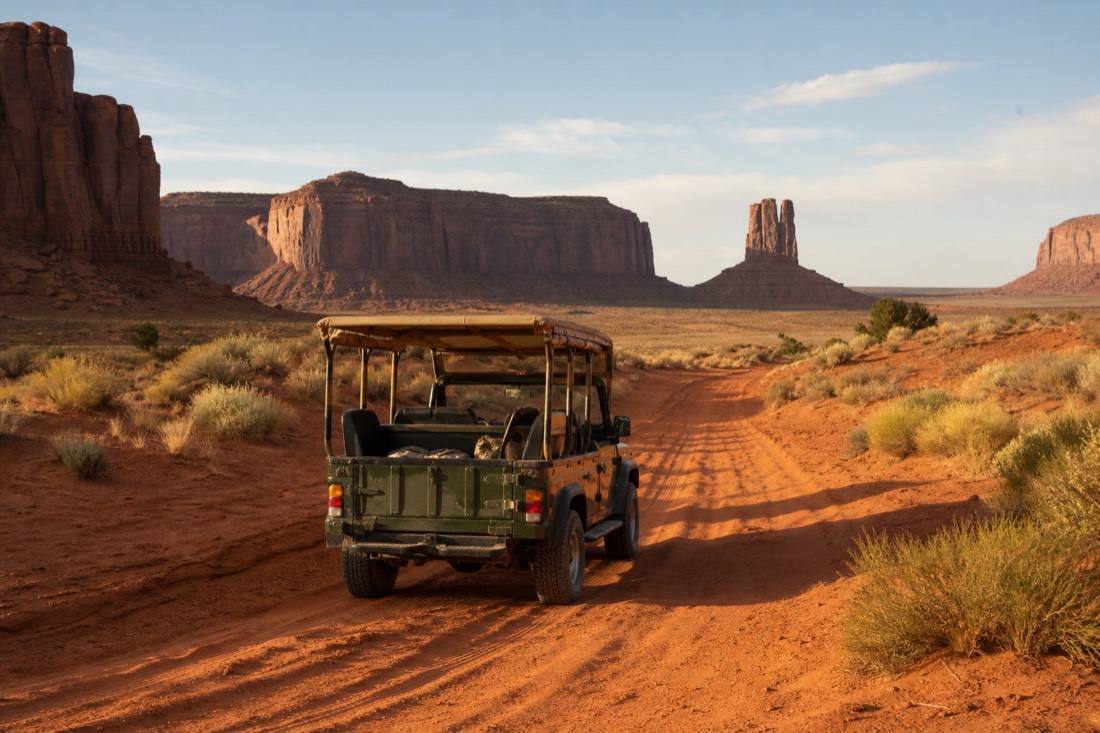
The most common mistake is spending the whole visit on the self-drive loop in a low sedan during the worst light. The loop is dirt, washboard, and deep sand, it takes two to three hours, and low cars struggle. Meanwhile the arches, light windows, and hogans that make people gasp are all in the backcountry you cannot reach alone.
| See or skip | Do this | Skip this |
|---|---|---|
| Time of day | Sunrise or sunset color | Midday flat light |
| The loop | Ride it with a guide | White-knuckle a low sedan on it |
| Backcountry | Ear of the Wind, Sun's Eye, hogans | Assuming the overlook is the whole park |
| Fees | Budget the tribal entrance fee | Expecting a national parks pass to work |
Is a guided scenic tour actually worth it here?
Yes, for most visitors a guided scenic tour is worth it, because the backcountry that makes Monument Valley special is closed to unguided visitors, a Navajo guide reads the light and the history for you, and you skip driving a rough dirt loop yourself. It is the difference between seeing the overlook and seeing the valley.
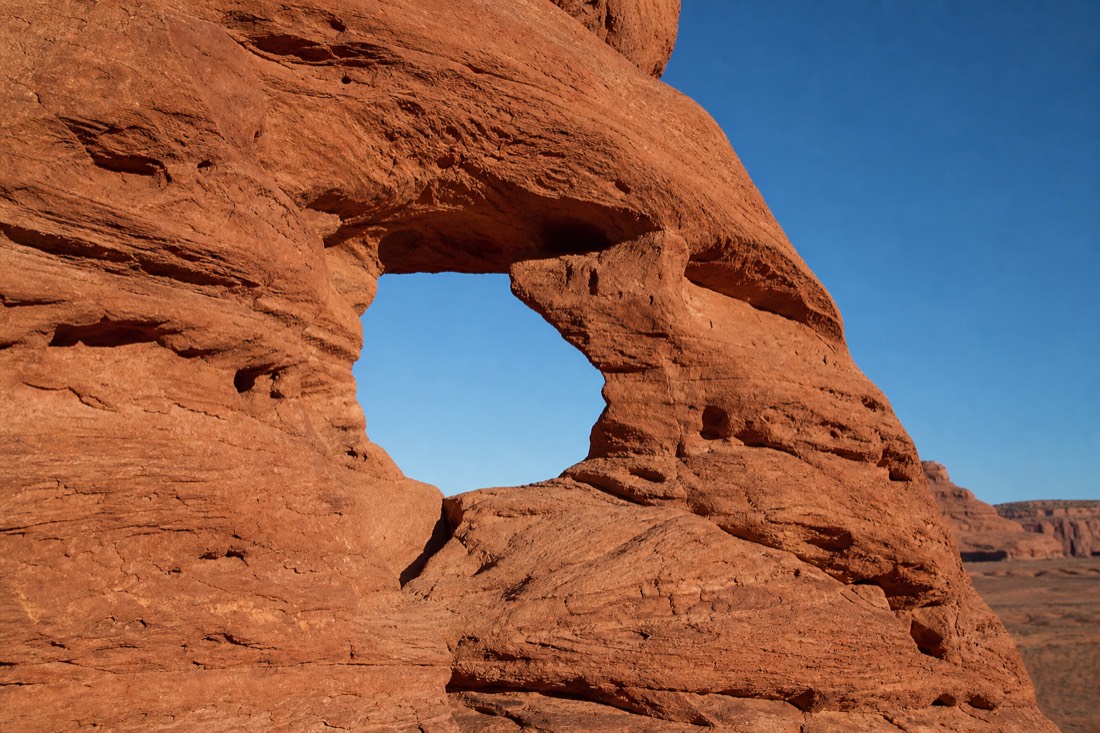
I am biased, I guide here, but the logic holds up even if you book with someone else. The parts people remember, the arch that frames the sky at Ear of the Wind, a hogan where someone actually lives, the way a guide points out which butte was in which film, are all things you physically cannot access on your own. A guide also handles the road, the timing, and the permit so you can just look.
For the full set of trip-planning questions, the blog collects the rest, from photography spots to how respectful visiting works on Navajo land. Whatever you book, come for sunrise or sunset, and give the place more than an hour.
Make room in your itinerary
Navajo Spirit scenic tour
Have a travel date in mind? Check this option before arranging the rest of your trip. A Navajo guide connects the Mittens, restricted arches and local stories.
Editorial starting point; use the choices below to check the fit.
Compare options and tailor your choice
Shared tour, English guide, about 3 hours. Park entry and tips extra. Minimum two to operate; solo travelers must arrange pairing with the operator.
Meet at the round, green-roof Navajo Welcome Center off US-163; return there. No hotel pickup.
Ride to Big Hogan, Sun’s Eye and the Totem Pole with a Navajo guide. Shared 2.5-hour tour, English. Park entry and tips extra. Hogan visit and weaving excluded. Not recommended for pregnancy, back/spinal or serious heart conditions.
The extended route adds a hogan visit and a live Navajo rug-weaving demonstration. Shared 3.5-hour tour, English guide, open 4x4. Park entry extra. Children accompanied; unsuitable for back/spinal or serious heart conditions and pregnancy beyond five months.
Visit the Totem Pole, Sun’s Eye and John Ford Point in the day’s changing light. 3 hours, English guide, water and native music. Select sunrise OR sunset for your month on Viator. Park entry extra. Uneven surfaces; unsuitable for back conditions. Children need two paying adults.
Select a date to see the Viator departure schedule.
Schedule only. Final availability, options and price are confirmed on Viator.Affiliate links: we may earn a commission at no extra cost to you. Product facts checked September 15, 2026.