Monument Valley Weather by Month (2026): Temperatures, Rain & When to Go
By the truck thermometer, a summer dawn and a summer noon here are two different climates. This is the weather as a working guide reads it, month by month, so you can pack and plan for it.
 Written with Daniel Begay, Monument Valley tour guide & Navajo cultural specialist
Short answer
Monument Valley is high desert on the Colorado Plateau: cold winters, mild spring and fall, and hot, dry summers broken by afternoon monsoon storms in July and August. Day-to-night swings are large all year, so pack for two temperatures every day.
By the truck thermometer, a June dawn and a June noon in the valley are two different climates. That gap is the whole story of desert weather up here. We sit high on the Colorado Plateau, so the heat that flattens Phoenix arrives softened, the nights bite even in summer, and the rain, when it comes, tends to come all at once. This is the weather as I read it off the sky and the sand, not off a recommendation chart. For the "which month should I actually pick" question, that is a different guide.
Booking choice: Visit the Totem Pole, Sun’s Eye and John Ford Point in the day’s changing light. Explore Sunrise or sunset photography tour
At a glance: 3 hours, English guide, water and native music. Select sunrise OR sunset for your month on Viator. Park entry extra. Uneven surfaces; unsuitable for back conditions. Children need two paying adults.
What is the weather like in Monument Valley through the year?
Monument Valley is high desert with four real seasons: cold winters, mild spring and fall, and hot, dry summers broken by afternoon monsoon storms in July and August. Because it sits high on the Colorado Plateau, day-to-night temperature swings are large in every month, so a single day can feel like two.
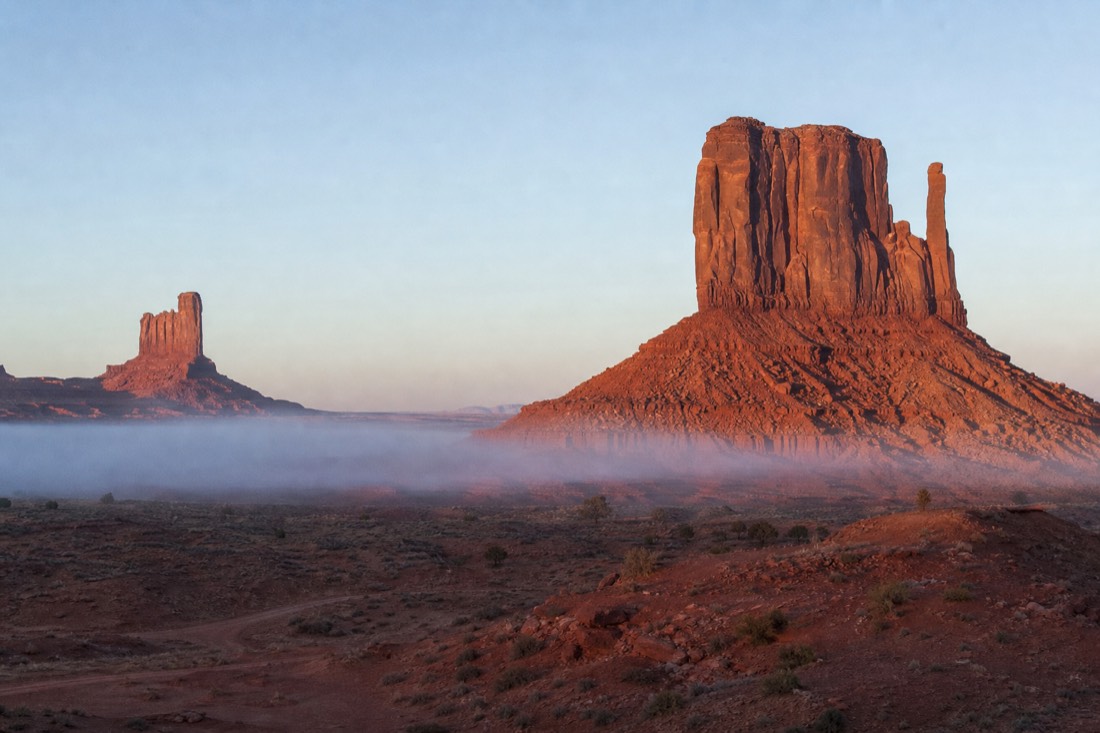
The mistake visitors make is picturing a flat, uniform furnace. The valley sits thousands of feet up on the plateau, and elevation changes everything: the air is thinner, the sun is stronger, and heat drains fast once it sets. The encyclopedic overview of the red-rock landscape puts it in context, but the practical version is simpler. Whatever the daytime feels like, subtract a big chunk for dawn and after dark. That is why I tell people the temperature band matters less than the swing, and why layers beat any single warm coat or any single sun shirt.
What is Monument Valley's weather month by month?
Spring and fall are mild and dry, summer is hot with a wet monsoon streak in July and August, and winter is cold with a real chance of a freeze at dawn. Precipitation is low most of the year and spikes in late summer. Daylight is short in winter, long in summer, and the swing between day and night stays large throughout.
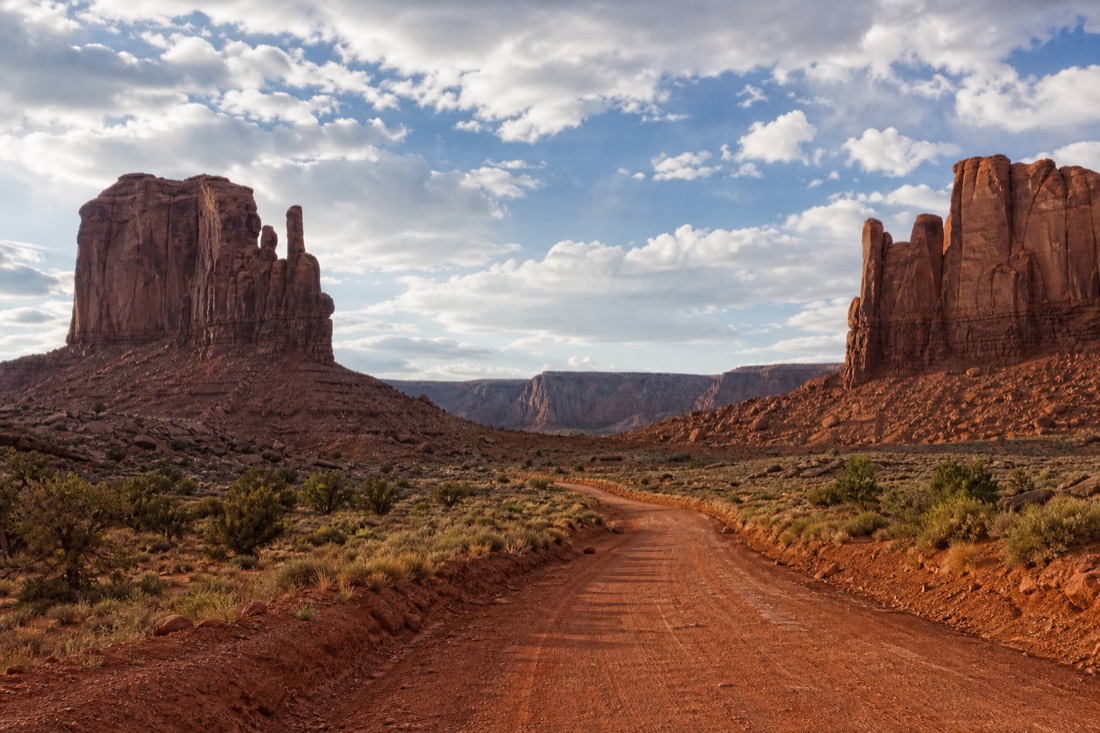
Here is the year read as weather, not as a ranking. Temperatures are given as a feel, cold through hot, because the day-night swing makes a fixed number misleading. If you want the same year sorted by which month is best to book, the best time to visit Monument Valley guide takes it from the recommendation angle.
| Month | Temp band | Precipitation | Daylight | Crowds |
|---|---|---|---|---|
| January | Cold, freezing dawns | Low, occasional snow | Short | Quiet |
| February | Cold, thawing midday | Low | Short, lengthening | Quiet |
| March | Cool, breezy | Low, windy and dusty | Moderate | Building |
| April | Mild | Low | Long | Busy |
| May | Warm | Low, driest stretch | Long | Busy |
| June | Hot, dry | Very low | Longest | Busy |
| July | Hot | Rising, afternoon storms | Long | Peak |
| August | Hot | Highest, monsoon storms | Long | Peak |
| September | Warm, easing | Falling | Moderate to long | Busy |
| October | Mild, cool nights | Low | Moderate | Moderate |
| November | Cool to cold | Low | Short | Quiet |
| December | Cold, short days | Low, snow possible | Shortest | Quiet |
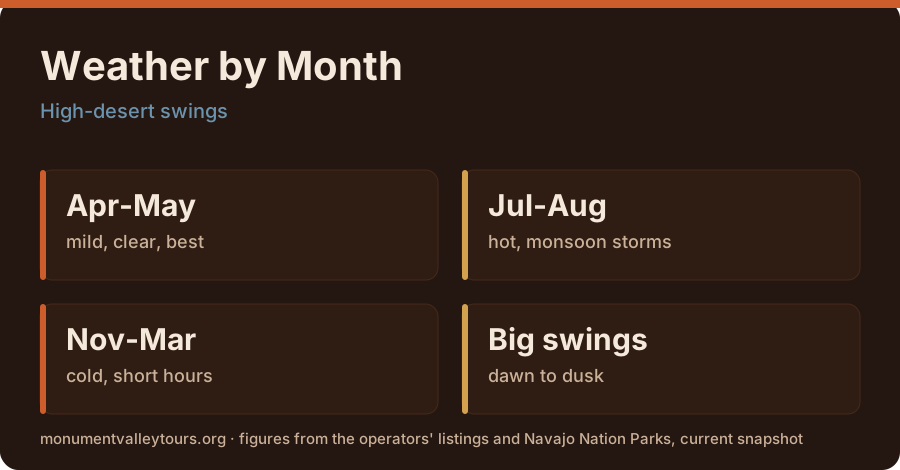
How does the summer monsoon affect a visit?
From roughly July into August, moisture builds through the day and breaks as sharp afternoon thunderstorms. The storms pass fast but hit hard, turning the dirt Valley Drive to mud and slick clay and stranding low cars. Mornings usually stay clear, so run the loop early and treat the afternoon sky as the thing to watch.
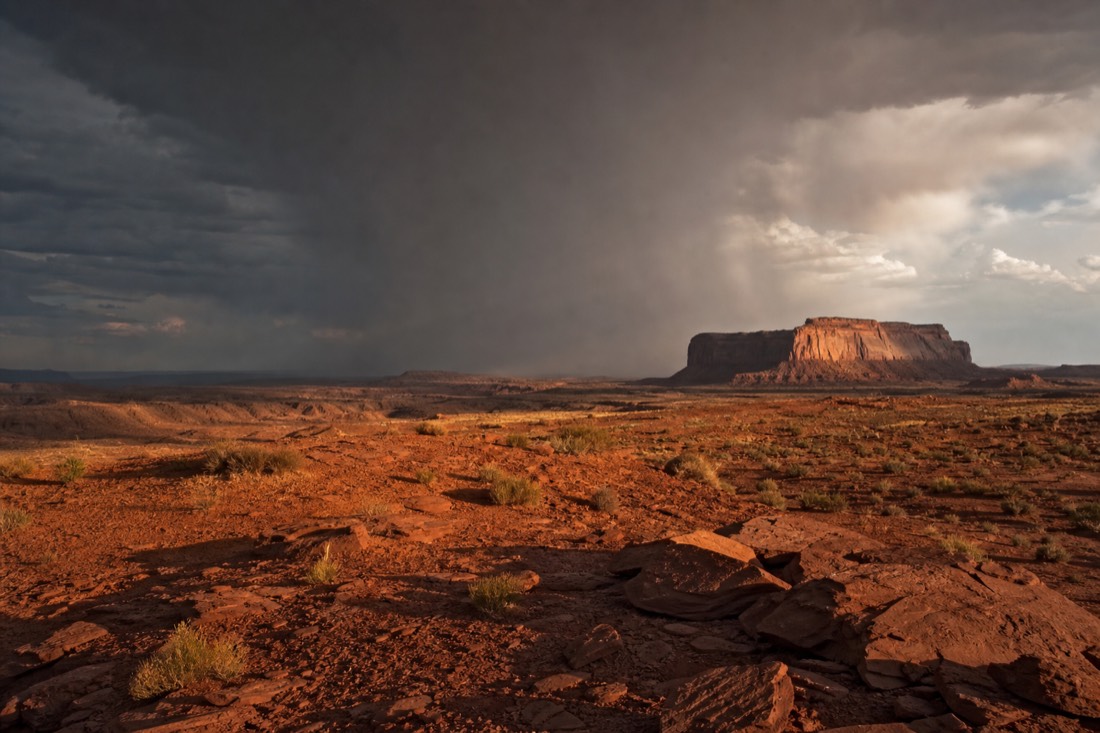
The monsoon is the one weather pattern that changes your plan rather than just your wardrobe. The famous 17-mile loop is washboard dirt with deep-sand sections even when bone dry, so an afternoon downpour turns the low spots into standing water and greasy clay. The storms are often gorgeous, all lightning and rain-curtains against the buttes, but they are also why a guided vehicle earns its place in late summer: the drivers know which stretches drain slowly. For the surface itself, the Monument Valley scenic drive guide covers the road in detail.
| Window | Typical monsoon pattern | Effect on your day |
|---|---|---|
| Morning | Usually clear and calm | Best time to drive the loop or take a tour |
| Early afternoon | Clouds and humidity build | Watch the sky, keep plans flexible |
| Late afternoon | Sharp, brief thunderstorms | Dirt road turns muddy, low cars can get stuck |
| Evening | Storms clear, dramatic light | Great photography once the road drains |
How cold does Monument Valley get in winter?
Winter, roughly November through March, is genuinely cold, with dawns often below freezing and a real chance of snow dusting the red rock. Days warm up but stay chilly, and the low sun means light comes and goes fast. Snow is rare and brief, spectacular when it lands, and it turns the dirt loop muddy or icy for a day.
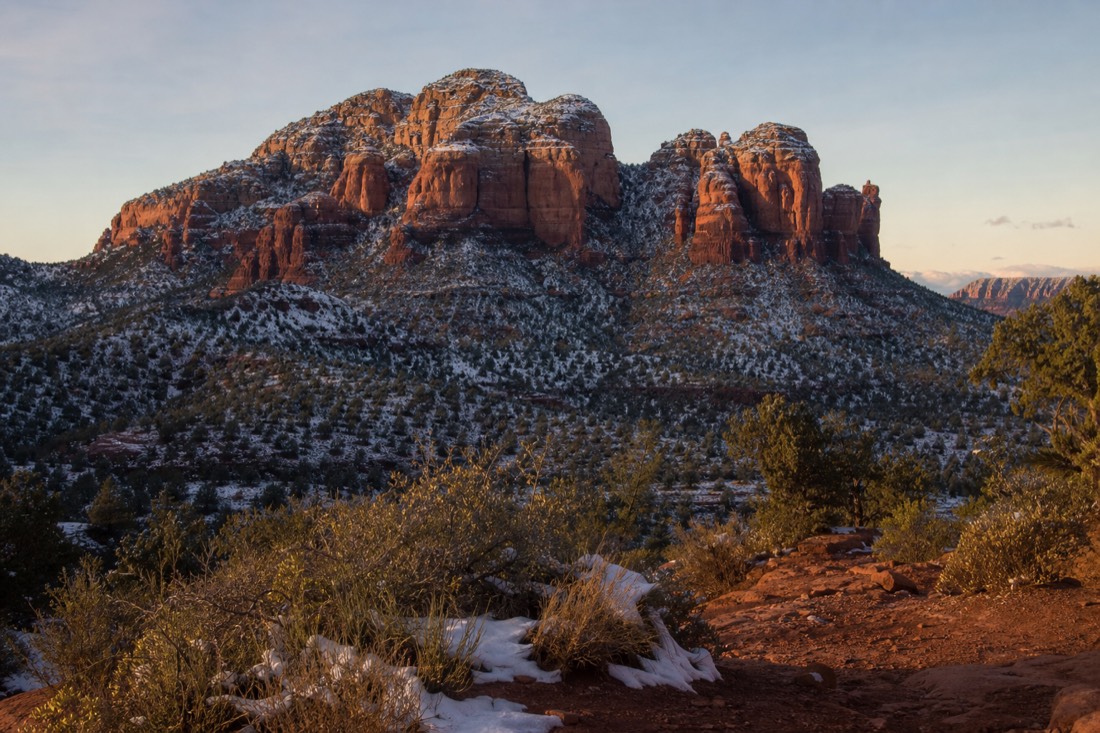
Winter is the valley's quiet secret and its coldest test. The air goes glass-clear, crowds thin out, and a fresh snow on the buttes is one of the finest sights in the Southwest, but the temperature at a 7am pickup can be brutal, and open-air vehicles often switch to enclosed. The dirt road is the other catch: after snow it holds ice in the shade and mud in the sun until it dries. If a cold-weather trip is what tempts you, the deeper picture of the season, the light, and what to wear is in Monument Valley in winter. Always check the day's hours and any weather closures with Navajo Nation Parks and Recreation before an early winter start.
How do park hours change with the seasons?
The Tribal Park runs longer in summer and shorter in winter. Summer hours (April to September) are roughly 8am to 7pm with last entry near 4:30pm; winter hours (October to March) tighten to about 8am to 5pm with last entry near 2:30pm. The park closes on Thanksgiving, Christmas, and New Year's Day, so a winter day gives you far fewer usable hours.
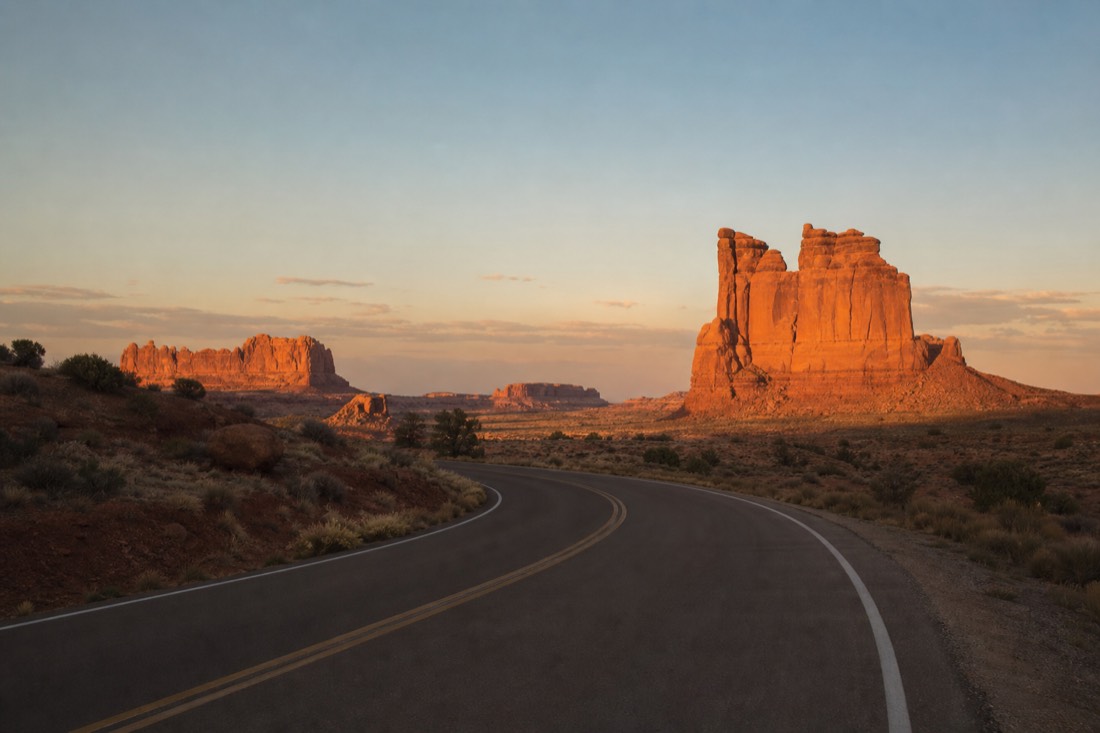
The seasonal hours matter more than they sound, because they cut hardest exactly when the light is best. A winter afternoon closes the gate while the low sun is still doing its finest work, so you have to be inside and positioned early. The table below is the seasonal shape; the official calendar, current fees, and any holiday or weather closures are posted by the park's own authority, which is the one source I trust over any secondhand listing.
| Season | Months | Gate hours | Last entry | Notes |
|---|---|---|---|---|
| Summer | April to September | ~8am to 7pm | ~4:30pm | Long days, afternoon monsoon in July and August |
| Winter | October to March | ~8am to 5pm | ~2:30pm | Short window, cold dawns, holiday closures |
What should you pack for the day-night temperature swing?
Pack for two temperatures every day, whatever the month. Bring layers you can shed by mid-morning and add back at dusk, far more water than feels necessary, real sun protection, and closed shoes for the sand. In winter add a warm coat and gloves for the dawn; in summer add a hat and treat shade as a resource.
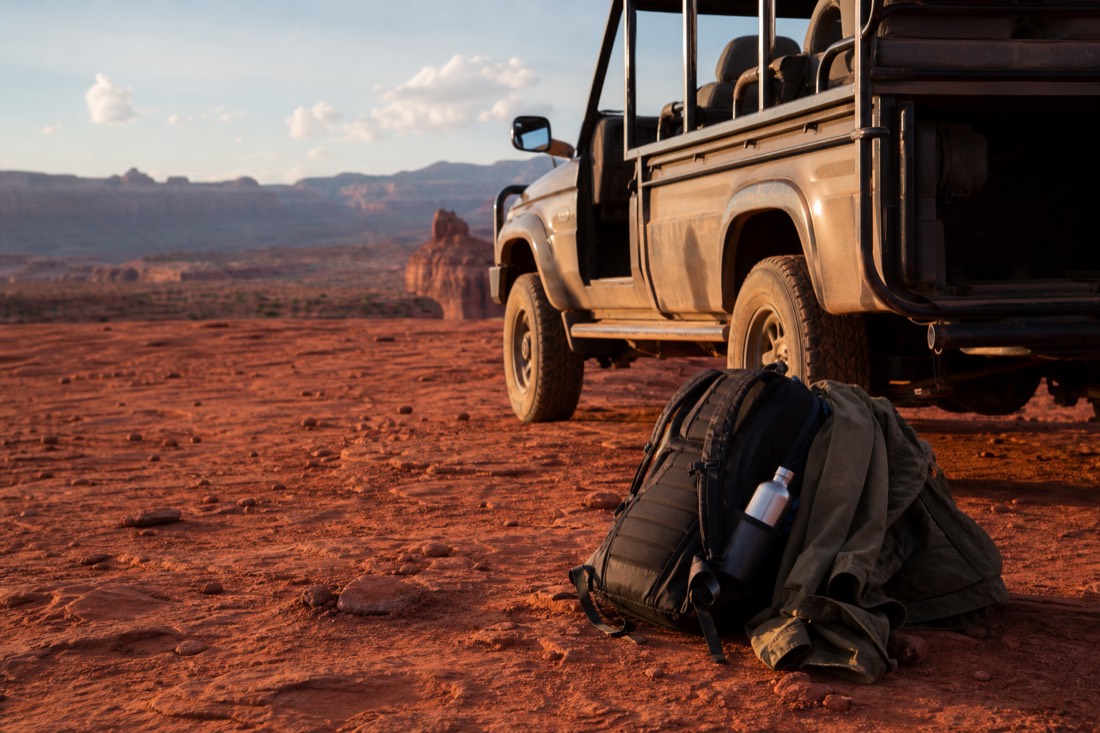
The honest rule of high desert is that the swing gets you, not the peak. I have watched summer visitors shiver at a 6am pickup in the same shirt that soaked them by noon, and winter visitors overheat at midday in a coat they needed at dawn. Water is the other constant: the dry air pulls moisture out of you faster than you notice, so drink before you feel thirsty. Layers, sun cover, and water cover every season here. For the fuller checklist and the rules that go with the terrain, the what to know before visiting guide has it, and every planning piece sits on the Monument Valley guides hub.
Make room in your itinerary
Sunrise or sunset photography tour
Have a travel date in mind? Check this option before arranging the rest of your trip. Visit the Totem Pole, Sun’s Eye and John Ford Point in the day’s changing light.
Editorial starting point; use the choices below to check the fit.
Compare options and tailor your choice
3 hours, English guide, water and native music. Select sunrise OR sunset for your month on Viator. Park entry extra. Uneven surfaces; unsuitable for back conditions. Children need two paying adults.
Meet at The View Hotel loading area, 50 yards west, 15 minutes early; return there. Confirm with the operator 24 hours ahead.
A Navajo guide connects the Mittens, restricted arches and local stories. Shared tour, English guide, about 3 hours. Park entry and tips extra. Minimum two to operate; solo travelers must arrange pairing with the operator.
Ride to Big Hogan, Sun’s Eye and the Totem Pole with a Navajo guide. Shared 2.5-hour tour, English. Park entry and tips extra. Hogan visit and weaving excluded. Not recommended for pregnancy, back/spinal or serious heart conditions.
Look beyond the daytime landscape with Navajo star stories and a guided night outing. 2.5 hours, English guide and water. Park entry extra. Stargazing depends on weather. Telescope not promised on this Viator option. Not recommended for pregnancy, spinal or serious heart conditions.
Select a date to see the Viator departure schedule.
Schedule only. Final availability, options and price are confirmed on Viator.Affiliate links: we may earn a commission at no extra cost to you. Product facts checked September 15, 2026.